
Buyer guide · Nassau County co-ops
Buying a co-op in Nassau County: the board process, explained.
A co-op purchase has one step a house does not — the board. Here is what the application, package, and board interview involve, and how a team that has closed a lot of Nassau co-ops keeps the approval moving.
The co-op board process at a glance
The figures buyers ask about first — the shape of the process, not a headline price, which moves week to week and is best pulled live for a specific building.
1 extra step
Board approval — the step a co-op has that a house does not
~6 documents
A typical board package: financials, tax returns, statements, and references
Several weeks
From a complete package to closing, governed by how often the board meets
30+ minutes
A short, in-person board interview, usually near the end of the process
The short answer
If you only read one section, read this one.
Buying a co-op in Nassau County works like any New York purchase with one added step: the building's board. You buy shares in the corporation that owns the building plus a proprietary lease to your unit, not a deed. After your offer is accepted and your attorney reviews the contract and the building's financials, you assemble a board package — financial statements, tax returns, bank statements, and reference letters — pass a financial review, sit for a short board interview, and then close. From a complete package, approval to closing commonly runs several weeks, set by how often the board meets.
What you are buying
In a co-op you buy shares in the corporation that owns the building and a proprietary lease to your unit. Because the corporation — through its board — controls who joins, the purchase is not final when your offer is accepted; it is final when the board approves you. That extra step is the whole reason co-op buying feels different, and it is entirely manageable once you know the sequence. A co-op is also distinct from a condominium, where you take a deed to real property and approval is lighter; understanding which one you are buying is the first decision a Nassau buyer makes.
What sets a co-op purchase apart
- You own shares, not a deed. A co-op buyer purchases stock in the building corporation plus a proprietary lease to the unit.
- The board has the final say. An accepted offer is not the finish line; the building's board reviews and approves each buyer.
- The package is the deal. A complete, well-organized board package — financials, references, and the building's forms — is the single biggest factor in a fast approval.
- Expect an interview. Most Nassau buildings hold a short board interview before approving a sale.
- Build in several weeks. From a complete package, approval to closing commonly runs a few weeks, governed by how often the board meets.
The board process, step by step
- Accepted offer and attorney review. As with any New York purchase, your attorney reviews and negotiates the contract. For a co-op, your attorney also reviews the building's financials and the proprietary lease.
- The board package. You assemble an application that typically includes financial statements, recent tax returns and pay stubs, bank and asset statements, and personal and professional reference letters. A complete, well-organized package is the single biggest thing that speeds approval.
- Financial review. The board looks at your income, assets, and debt — and often a post-closing liquidity expectation. Many buildings also set a minimum down payment and limit how much you can finance, which we confirm before you commit.
- The board interview. Most buildings interview prospective shareholders. It is usually a short, straightforward meeting to confirm you understand the building's rules and will be a good neighbor — not an interrogation.
- Approval and closing. Once the board approves, you move to closing. The full process commonly takes several weeks from a complete package, so we build that into the timeline from the start.
New York law gives co-op boards wide discretion over who they admit, with one firm limit: a board may not reject a buyer for a reason that violates federal, state, or local fair-housing law. That discretion is exactly why a well-prepared, well-documented application matters so much — it answers the board's questions before doubt has room to form.
Where Nassau co-ops are concentrated
Co-op inventory clusters in the South Shore villages built around their LIRR stations and along the barrier-island and bayfront edges. Open any of these in Google Maps to see how a co-op-heavy village sits relative to the rail, the water, and the city.
Where an experienced co-op agent earns its keep
The board package is where co-op deals stall — a missing document or a thin reference can add weeks. Leatherman Homes has closed co-op purchases across Nassau, including in Garden City and Rockville Centre, so we help you assemble a package that answers the board's questions before they ask, set expectations on down payment and timeline, and keep your attorney, lender, and the managing agent moving together. Broker Kevin Leatherman has worked Nassau real estate for more than 30 years with 1,100+ career transactions; co-op and condo sales are a stated specialty of the practice.
"Kevin was great! He helped me buy a wonderful co-op in Garden City. We could not have done it without Kevin."
- Frank1307, Garden City · Verified Zillow review
Who you work with
A co-op file is only as good as the person assembling the package and managing the board. On a Leatherman Homes purchase, that person is named, and they stay on your file to the close.
Kevin Leatherman
Broker / Owner, Leatherman Homes · Rockville Centre, NY
Kevin has worked Nassau County real estate from his Rockville Centre office since 1996, with more than 30 years licensed and 1,100+ career transactions across single-family, co-op, and condominium sales. A Wall Street foreign-exchange background shapes how he prices and negotiates, and co-op board packages are a working specialty of the practice rather than an occasional sideline.
- Past President, Long Island Board of REALTORS® (LIBOR)
- Past President, MLSli
- Board of Managers, OneKey® MLS
- 30+ years licensed · 1,100+ career transactions
Nassau County market snapshot
Live MLS figures for Nassau County, NY — sold listings, average sale price, average days on market, and the 12-month price trend. These pull live from the MLS, so they are current rather than a number that goes stale on the page.
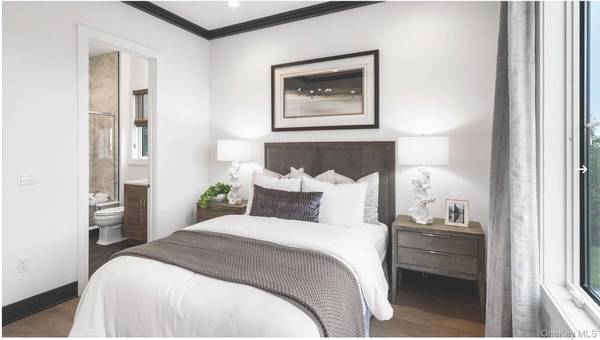
$2,998,000
27 Sequoia CIR, Manhasset, NY 11030
Listed by Toll Brothers Real Estate Inc.

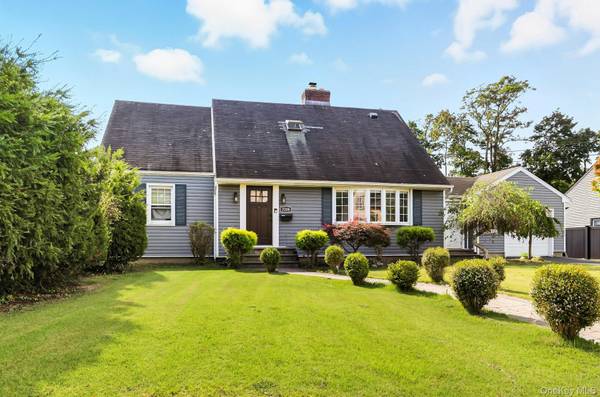
$719,000
3208 Linden ST, Wantagh, NY 11793
Listed by Signature Premier Properties


$799,000
2696 W Alder RD, Bellmore, NY 11710
Listed by BH&G R E Realty Connect
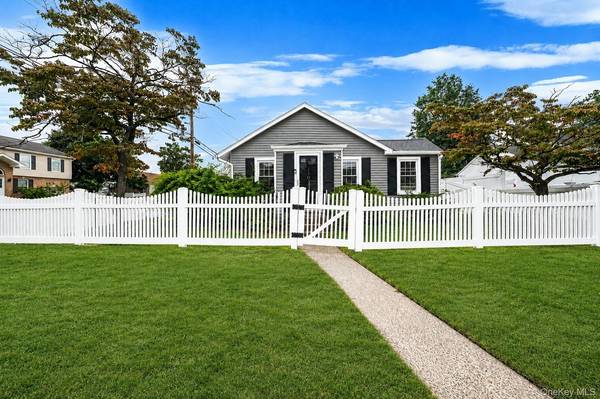

$3,875,000
347 Duck Pond RD, Matinecock, NY 11560
Listed by Douglas Elliman Real Estate

$799,000
2517 Rockville Centre Pkwy, Oceanside, NY 11572
Listed by Signature Premier Properties


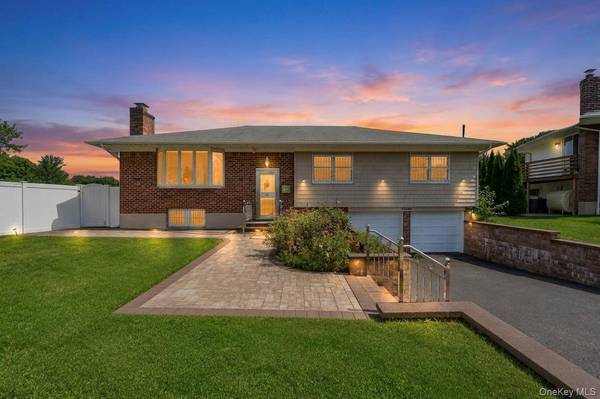

$1,699,000
552 Dover RD, Oceanside, NY 11572
Listed by Keller Williams Points North

$299,504
235 Hicksville RD #2B, Bethpage, NY 11714
Listed by Signature Premier Properties

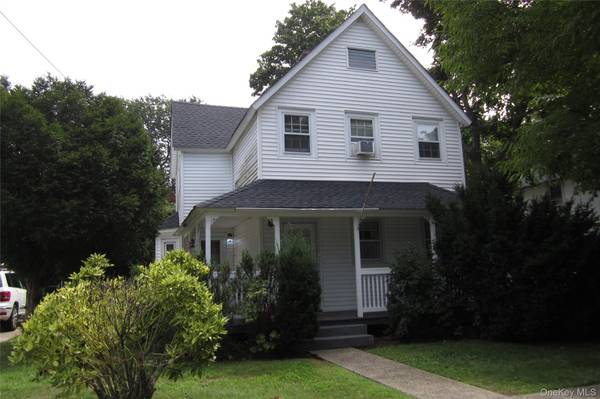
$659,900
193 Cherry ST, Farmingdale, NY 11735
Listed by Coldwell Banker American Homes
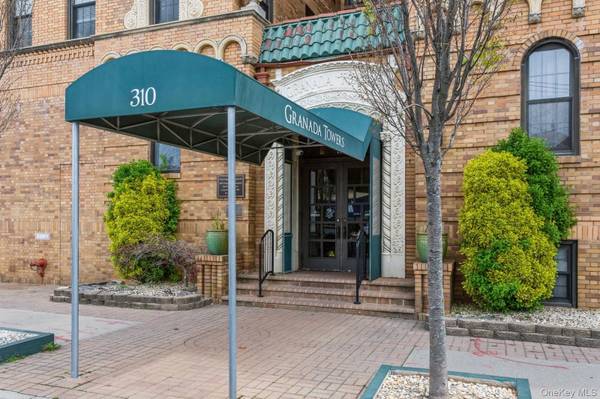
$425,000
310 Riverside BLVD #3G, Long Beach, NY 11561
Listed by Coldwell Banker American Homes

$5,900,000
25 W Creek Farms RD, Sands Point, NY 11050
Listed by Compass Greater NY LLC

$1,095,000
213 Washington AVE, Cedarhurst, NY 11516
Listed by Pin It Realty LLC
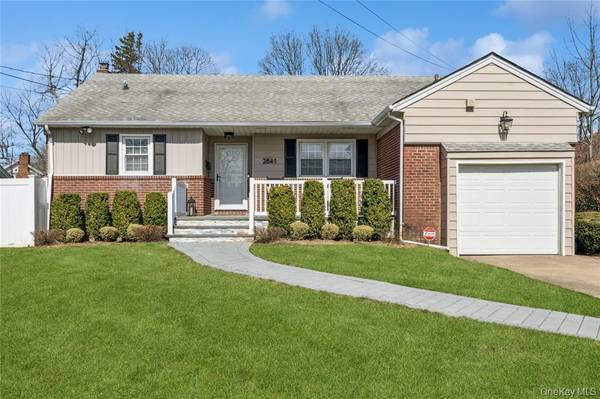
$799,000
2841 Besade CT, Oceanside, NY 11572
Listed by Douglas Elliman Real Estate
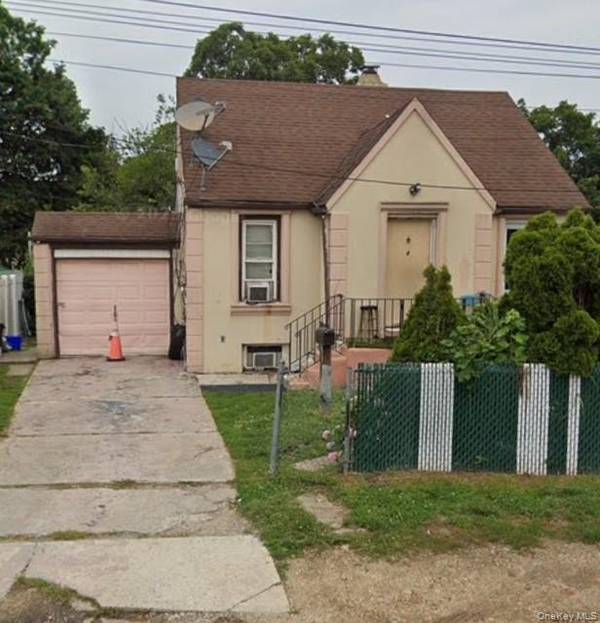
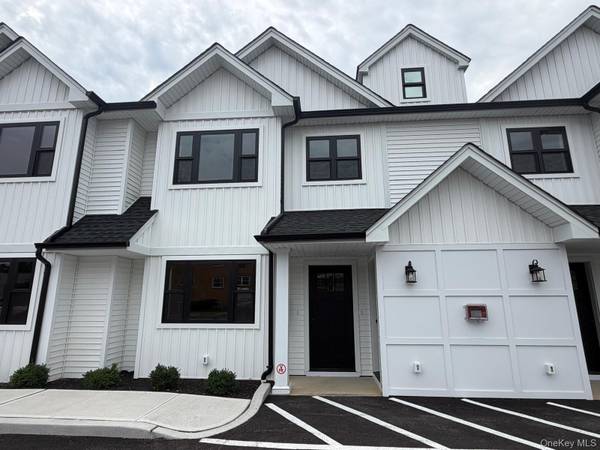
$699,000
161 Union AVE #5, Lynbrook, NY 11563
Listed by Coldwell Banker American Homes

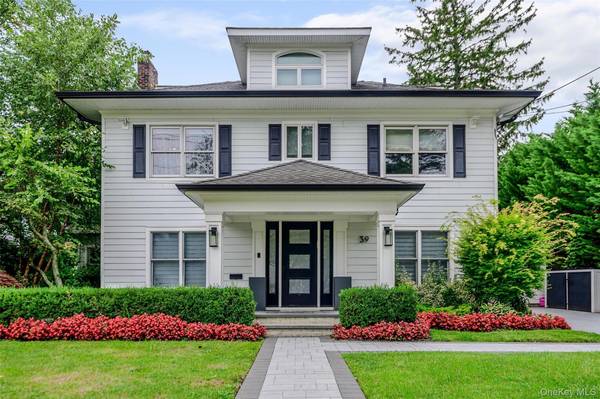
$2,899,000
39 Burton AVE, Woodmere, NY 11598
Listed by Five Towns Miller Realty Inc

explore listings in Nassau County
Frequently asked questions
How long does co-op board approval take in Nassau County?
From a complete board package, approval commonly takes several weeks, including the time to schedule and hold the board interview. The biggest variable is how quickly your package is assembled and how often the board meets, which is why we start the package early and build the timeline around it.
What is in a co-op board package?
A board package typically includes a financial statement, recent tax returns, pay stubs, bank and asset statements, and personal and professional reference letters, along with the building's application forms. Requirements vary by building, so we confirm the exact checklist for your building and help you assemble a complete, well-organized package.
What happens at a co-op board interview?
The interview is usually a short, in-person meeting where the board confirms you understand the building's rules and finances and will be a responsible shareholder and neighbor. It is generally straightforward; we help you prepare so you know what to expect and there are no surprises.
How much down payment do I need for a co-op?
Many co-op boards set their own minimum down payment and may limit how much of the price you can finance, so a co-op can require more cash down than a condo or house. We confirm the building's specific financing rules early so your pre-approval and your cash match what the board will accept.
Can a co-op board reject me?
A board can decline an application, generally without stating a reason, as long as it does not discriminate against a protected class under fair-housing law. In practice, a strong, complete package and a realistic match between your finances and the building's requirements are what get applications approved, and that preparation is a large part of what we do.
What is the difference between a co-op and a condo?
In a co-op you buy shares in the building corporation and a proprietary lease to your unit, and the board approves each buyer. In a condo you take a deed to real property you own outright, and approval is typically much lighter. Co-ops often offer the stronger value on the Nassau South Shore, but the board process is the trade-off, so you should know which one you are buying before you write the offer.
What ongoing costs come with a co-op?
A co-op carries a monthly maintenance charge that covers the building's operating costs, property taxes on the building, and often the underlying mortgage. Some buildings also levy assessments for capital projects. We review the maintenance figure and the building's financials with your attorney so the full monthly cost is known before you commit, not discovered after closing.
Do I still need a real-estate attorney to buy a co-op in New York?
Yes. New York is an attorney-state, so your real-estate attorney negotiates the contract and, for a co-op, reviews the proprietary lease and the building's financials before you are bound. Your agent handles the search, valuation, and the board package, then coordinates the hand-off to your attorney so nothing stalls between agent and counsel.
Resources and references
For buyers who want to read the rules directly, these are the public, authoritative sources behind the points above. We confirm how each one applies to your specific building before you commit.
- NY Attorney General — Before You Buy a Co-op or Condo — the state's official buyer guidance, from the bureau that reviews co-op and condo offering plans.
- NYS Homes and Community Renewal (HCR) — the state housing agency, with guidance on cooperative and condominium housing in New York.
- NYS Department of State — Cooperative Policy Statements — the state's official statements on co-op offering plans and board conduct.
- New York fair-housing protections (NY State Senate) — the statutory limits on the reasons a co-op board may decline an applicant.
- Nassau County Clerk — Land Records — the county office that records deeds and liens for a Nassau purchase.
- Nassau County, New York — official county site — county tax and property resources relevant to a Nassau purchase.
Data last verified June 2026. Co-op rules, down-payment minimums, and maintenance figures are set per building and change over time; we confirm the current terms for your specific building before you commit.
Keep going
Understand how co-ops compare to condos, see the broader Nassau buyer process, or explore the communities where co-ops are common.
Thinking about a Nassau co-op?
Bring us the building. A named member of the team walks you through the board package, the financing rules, and the timeline, and works the approval with you to the close.
NASSAU COUNTY LIVING & LIFESTYLE


Sea Cliff vs. Long Beach: which is better for you?
Nassau County · community comparison Sea Cliff vs. Long Beach: which is better for you? Two Nassau County waterfront communities, two very different lives. Sea Cliff is a hilly North Shore harbor village; Long Beach is a flat South Shore beach city. This comparison walks the trade-offs (charac

Pros and Cons of Moving to Rockville Centre
Buying on the South Shore · Rockville Centre Pros and Cons of Moving to Rockville Centre An honest look at what you trade for and against when you buy in this Nassau County village: the walkable downtown and the rail commute on one side, the cost of living and the co-op learning curve on the o

Homes along the Port Washington branch: Great Neck, Manhasset, Plandome, and Port Washington
Port Washington, NY · Corridor guide Homes along the Port Washington branch: Great Neck, Manhasset, Plandome, and Port Washington Four stations, one branch, and a housing market that reads more like a corridor than four separate towns. What each name signals, and how to search them together in
MEET OUR AGENTS

Kevin Leatherman, REALTOR
Real Estate Broker

Brendan Shalloo
Marketing Assistant

Camille Giardina
Broker Associate

Jacqueline Furino
Real Estate Salesperson
REVIEWS
GET MORE INFORMATION

Real Estate Broker Kevin Leatherman 31LE1175078Leatherman Homes 109920961