Buyer guide · Nassau County
Buying a home in Nassau County: a practical guide.
What the buyer process looks like on Long Island's South Shore — from search and financing to the contract differences that catch newcomers off guard — and how a named local team works the deal on your side.
Buying in Nassau County, at a glance
The short version for buyers who want the shape of it before the detail.
What makes Nassau different
- It is dozens of distinct incorporated villages and hamlets, not one market — district, taxes, and price character change block to block.
- A large share of attainable inventory is co-ops and condos, which buy very differently from houses.
- New York is an attorney-state: a real-estate attorney drafts and negotiates the contract after an accepted offer.
- Residential property taxes are a material monthly cost and vary widely by community.
What a buyer needs in hand
- A full mortgage pre-approval before touring, not a pre-qualification.
- A community shortlist read against commute, school district, and the co-op-versus-house trade-off.
- A real-estate attorney lined up for contract review.
- For a co-op, the board's financing minimum and approval timeline confirmed early.
What shapes the Nassau buyer's budget
The levers that decide what a home costs to carry. A headline median moves week to week and is best pulled live for the specific village and home type you are weighing.
Many markets
Dozens of distinct villages and hamlets — district, taxes, and price character change block to block, not county-wide
Co-ops first
A large share of attainable inventory is co-ops and condos, often the lower entry point — and a different process from a house
Attorney-state
A real-estate attorney drafts and negotiates the contract after an accepted offer, so the deal is not binding until both sides sign
Taxes vary
Residential property taxes are a material monthly cost and swing widely village to village — public and verifiable before an offer
Data last verified June 2026 against the public sources linked below. We do not publish market medians, days-on-market averages, or property-tax figures here, because those move and are best pulled live for the specific village, building, and home type you are considering. OneKey® MLS is Nassau County's primary MLS — Kevin Leatherman sits on its Board of Managers — and the assessment behind any tax bill is public at the Nassau County Department of Assessment.
Where Nassau buying is different
Nassau County is not one market. It is a band of distinct villages and incorporated communities — Rockville Centre, Oceanside, Garden City, Long Beach, Sea Cliff, Valley Stream, Freeport, and the Bellmore-Merrick belt — each with its own price character, school district, commute profile, and inventory mix. Two homes a few miles apart can sit in different districts, different flood zones, and different tax pictures. The first job of a buyer's agent here is not to show you houses; it is to help you read those boundaries before you fall for a listing on the wrong side of one.
Two structural facts shape almost every Nassau search. First, a large share of attainable inventory is co-ops and condos rather than single-family houses, and the two buy very differently. Second, residential property taxes here are a material line in the monthly cost — they vary widely by community and can change after a sale. We surface both early, in writing, so the number you fall for is a number you can carry.
Map the South Shore villages
The fastest way to read Nassau is to put the villages on a map and see how the LIRR branches, the shoreline, and the school-district lines fall. Open any of these and the trade-offs between commute, water, and price become concrete.
Two public facts deserve a check before you fall for any specific home: the school district it sits in, and whether it falls in a FEMA flood zone. Both are free to verify and both move the long-run cost.
- School-district boundaries and report cards — New York State Education Department (data.nysed.gov).
- Flood-zone lookup by address — FEMA Flood Map Service Center (msc.fema.gov).
- Property assessment and tax records — Nassau County Department of Assessment (nassaucountyny.gov).
- Commuter rail schedules and station locations — MTA Long Island Rail Road (mta.info).
- Buyer-representation designation background — National Association of REALTORS, ABR (nar.realtor).
The process, end to end
The sequence is consistent even when the property type is not. Knowing it in advance is what keeps a Nassau purchase calm.
- Get your financing context first. A pre-approval, not a pre-qualification, sets a real budget and tells sellers you are credible. In a market where good listings move, having it in hand before you tour is the difference between an offer and a missed window.
- Search by community first, then price. We map your must-haves against district, commute, and the co-op-versus-house trade-off, then track new and quietly-listed inventory across the communities that fit.
- Tour, evaluate, and price the offer. Comparable sales, days on market, and condition tell us what a home is worth — and where there is room. Pricing the offer is judgment, not a formula, and it is where 30+ years of local negotiation earns its keep.
- Contract and attorney review. New York is an attorney-state: your real-estate attorney drafts and negotiates the contract after an accepted offer, and the deal is not binding until both sides sign. We coordinate the hand-off so nothing stalls between agent and counsel.
- Inspection, financing, and the path to closing. Inspection findings, the appraisal, the mortgage commitment, and — for co-ops — board approval each have to clear. We keep every party moving toward the date instead of past it.
Co-op, condo, or house — it changes the deal
In much of Nassau, the apartment you can afford is a co-op, and a co-op purchase is its own process. You are buying shares in a corporation and a proprietary lease, not a deed; the building's board reviews your finances and interviews you, and approval can take weeks. Boards set their own rules on financing limits, sublets, and pets. A condo, by contrast, is real property you own outright, with a faster and lighter approval. None of this is a reason to avoid co-ops — they are often the strongest value on the South Shore — but it is a reason to know which one you are buying before you write the offer. We have closed all three for Nassau buyers and tell you the trade-offs up front.
"Kevin and his team were extremely patient and knowledgeable. Kevin made the experience of buying a home as stressless as possible."
- user5818895 · Verified Zillow review
My take, after 30 years on the South Shore
An honest read from the desk, not a sales pitch. These are the trade-offs we talk buyers through before an offer goes in — the ones a listing photo will not tell you.
On co-op versus house
Most buyers rule out co-ops too fast because the board sounds intimidating, then over-romanticize a house because "you own it outright" feels safer. In practice, a well-run co-op with healthy reserves is often the calmer place to live and the better dollar — co-ops are typically the lower entry point on the South Shore, the way many buyers reach a strong village they could not otherwise afford. The structure on the deed matters less than the health of the building and how the monthly number pencils out.
The honest catch: a co-op means a board interview, financing limits, and rules on sublets and pets — and a thinly-capitalized building can hand you a surprise assessment. We underwrite the building as well as the apartment before you commit.
Where we steer buyers on the South Shore
For a walk-to-the-train routine with a real downtown, we point buyers toward Rockville Centre, Lynbrook, and Sea Cliff — you trade some square footage for a low-car life and steady resale. For more house and yard per dollar on settled streets, the Bellmore–Merrick–Wantagh belt and Massapequa tend to deliver, with the trade-off that you will drive for most errands.
Where we slow buyers down: the closer a home sits to the water — parts of Long Beach, Freeport, Oceanside, and Baldwin Harbor — the more the flood-zone designation and its insurance cost drive the true monthly number. Beautiful blocks, real carrying cost; we price both before you fall for the view.
On the property-tax line, plainly
The taxes are the part out-of-area buyers underestimate. Nassau's residential tax bill swings widely village to village, so two homes at the same list price can carry very different monthly costs. The good news: the assessment and any grievance history are public, and a buyer can verify the actual figure on the specific property before an offer rather than guessing from a county average.
The honest catch: the tax figure can change after a sale, and a recent renovation or a successful grievance on the seller's side can reset it. We pull the assessment and flag the risk in writing for any home you are serious about.
Why a named local team — and why ABR matters
When you call Leatherman Homes you reach a real person who has worked the Nassau South Shore for years, and that person stays on your file to the close. The brokerage is led by broker Kevin Leatherman — a licensed broker for over 30 years with 1,100+ career transactions, a Past President of the Long Island Board of REALTORS® and of MLSli, and a member of the Board of Managers of OneKey® MLS. The team carries the Accredited Buyer's Representative (ABR®) designation, which means buyer representation is a trained discipline here, not an afterthought to listing work. For a buyer, that is the practical point: your agent's job is to represent your interests in the negotiation, and that is the job we are built around.
Nassau County market snapshot
A live read of recent sold activity across Nassau County, NY, pulled straight from the MLS — sold listings, average sale price, average days on market, and the last twelve months of average sold price. The full set of current listings sits one click below.
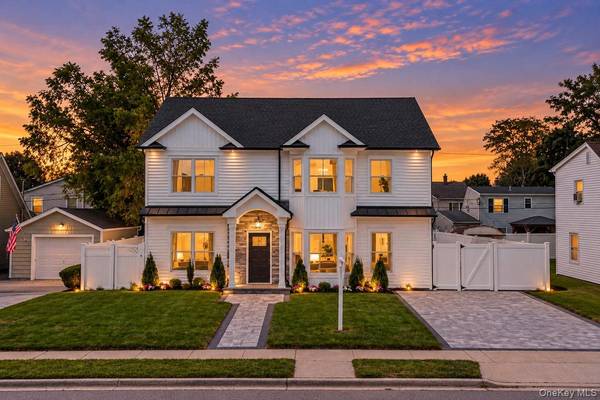
$1,290,000
84 Rope LN, Levittown, NY 11756
Listed by Property Professionals Realty


$1,645,000
9 Vista LN, Levittown, NY 11756
Listed by Keller Williams Realty Elite

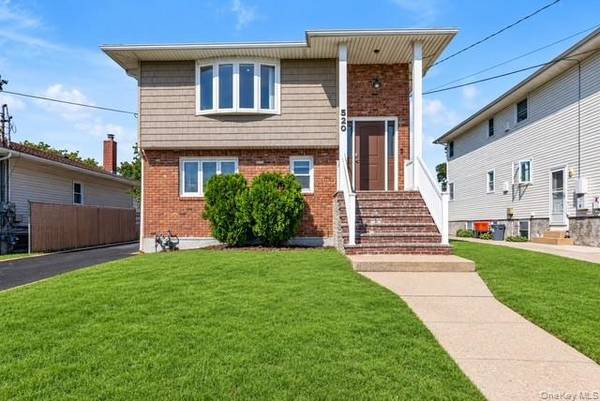
$1,099,000
520 Kirkman AVE, Elmont, NY 11003
Listed by Douglas Elliman Real Estate

$979,000
411 New Hyde Park RD, New Hyde Park, NY 11040
Listed by ZI Realty LLC

$799,999
28 Willow DR, Massapequa Park, NY 11762
Listed by Real Broker NY LLC
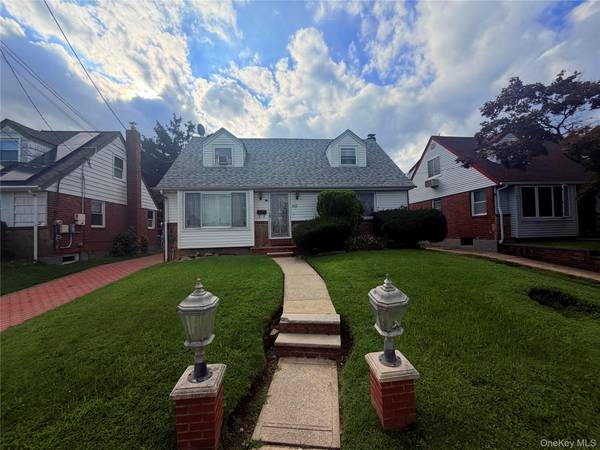
$799,999
60 Boden AVE, Valley Stream, NY 11580
Listed by Landmark Elite Homes Corp

$799,000
843 Jerusalem AVE, Merrick, NY 11566
Listed by Absolute Earth Realty Corp

$1,249,000
64 Morewood Oaks, Port Washington, NY 11050
Listed by Douglas Elliman Real Estate
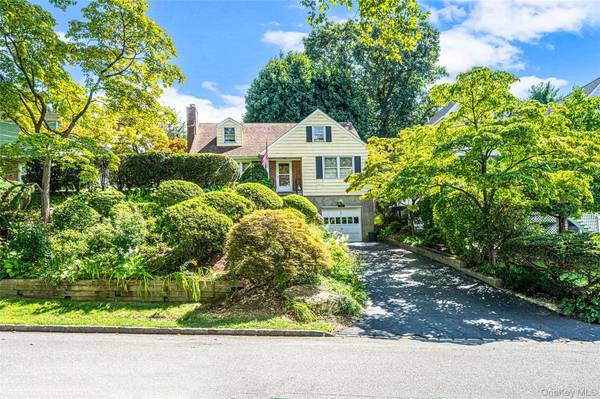
$1,250,000
93 Avenue C, Port Washington, NY 11050
Listed by The Agency Northshore NY

$589,000
100 Great Neck RD #1A, Great Neck, NY 11021
Listed by Lin Pan Realty Group LLC

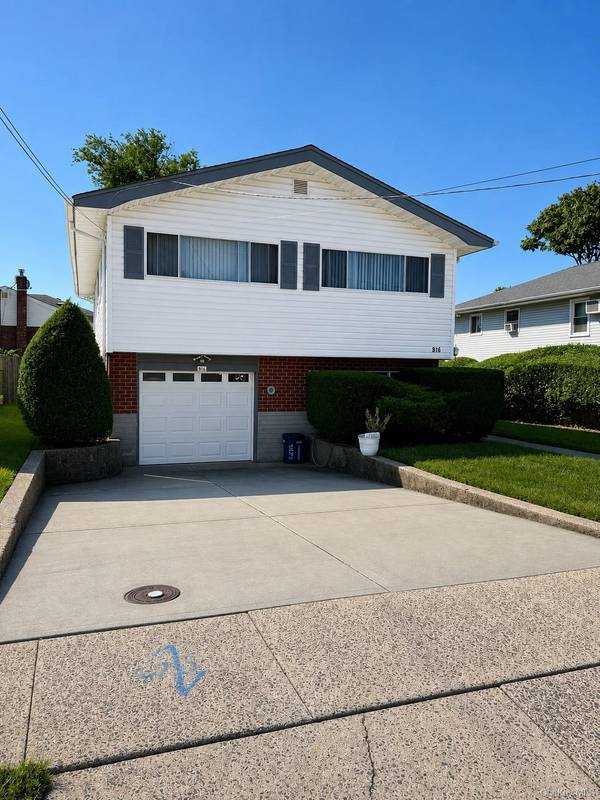
$1,449,000
438 Von Elm AVE, East Meadow, NY 11554
Listed by American Best Homes Realty LLC


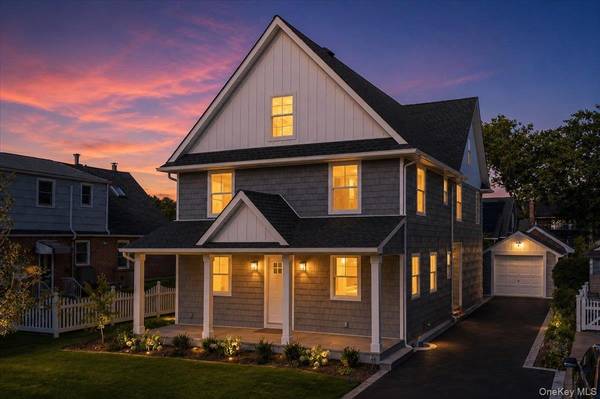

$1,049,000
70 Glenwood RD, Plainview, NY 11803
Listed by Coldwell Banker American Homes
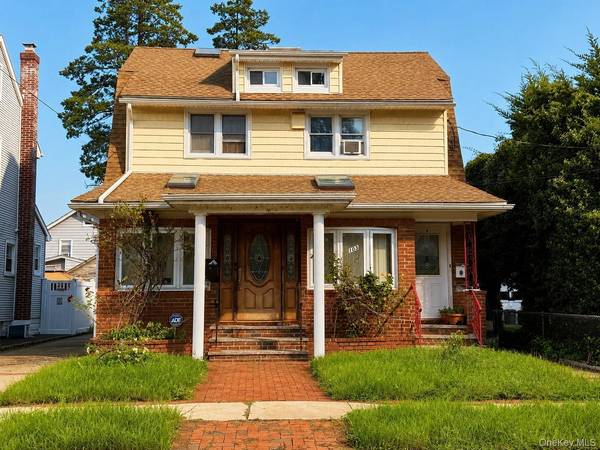
$869,000
103 E Saint Marks PL, Valley Stream, NY 11580
Listed by Real Broker NY LLC
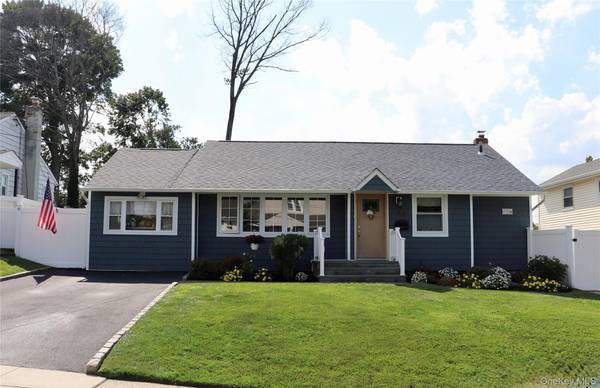
$840,000
31 Prestwick TER, Glen Cove, NY 11542
Listed by Douglas Elliman Real Estate

$785,000
31 Cherry AVE, Bethpage, NY 11714
Listed by BH&G R E Realty Connect
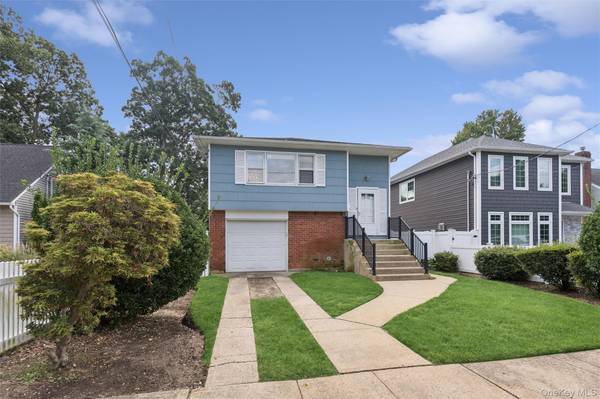
$749,000
1928 Gormley AVE, Merrick, NY 11566
Listed by Douglas Elliman Real Estate

$650,000
92 Van Buren ST, Freeport, NY 11520
Listed by Sailing Home Realty of L I LLC

$998,000
53 Larch AVE, Floral Park, NY 11001
Listed by Signature Premier Properties

$1,774,999
23 Harrow LN, Levittown, NY 11756
Listed by Property Professionals Realty
explore listings in Nassau County
Frequently asked questions
How much do I need for a down payment to buy in Nassau County?
It depends on the property type and your financing. Conventional loans commonly start around 5 percent down, with lower-down-payment programs available to qualified buyers, but co-op buildings often set their own minimum down-payment requirement that can be higher. The more useful first step is a full pre-approval, which sets a real budget across the purchase price, taxes, insurance, and any maintenance or common charges.
What is the difference between buying a co-op and a house in Nassau?
With a co-op you buy shares in a corporation and a proprietary lease rather than a deed, and the building's board reviews your finances and approves the sale, which adds time and its own rules on financing, sublets, and pets. A house or condo is real property you own outright, with no board approval. Co-ops are often the best value on the South Shore, but the process is different, so you should know which one you are buying before you write the offer.
Do I need a real-estate attorney to buy a home in New York?
Yes. New York is an attorney-state, so your real-estate attorney drafts and negotiates the contract after your offer is accepted, and the purchase is not binding until both sides sign. Your agent handles the search, valuation, and negotiation, then coordinates the hand-off to your attorney so the deal moves cleanly from accepted offer to signed contract.
How are property taxes handled when I buy in Nassau County?
Residential property taxes are a material part of the monthly cost in Nassau County, and they vary widely by community and can change after a sale. We surface the tax picture for any home you are serious about in writing, early, so the number you budget for is the cost you can carry rather than a surprise after closing.
What does an Accredited Buyer's Representative (ABR) do for me?
An Accredited Buyer's Representative is trained specifically to represent the buyer's interests, which means your agent's job is to price your offer, negotiate the terms, and protect you through inspection, financing, and closing — not to sell you a listing. At Leatherman Homes, buyer representation is a trained discipline, so you have an advocate on your side of the table from the first tour to the close.
How long does it take to buy a home in Nassau County?
For a house or condo, plan on roughly 45 to 60 days from accepted offer to closing once your financing is in order, driven by the attorney review, the appraisal, and the mortgage commitment. A co-op usually takes longer because the building's board review and interview add weeks on top of that. The clock starts well before the offer, though, since the pre-approval and the attorney should be lined up before you tour seriously.
Should I check the school district and flood zone before I make an offer?
Yes, and both are free to verify. Two homes a few miles apart in Nassau can sit in different school districts and different FEMA flood zones, and each materially affects long-run cost. You can confirm the district through the New York State Education Department and the flood zone through the FEMA Flood Map Service Center before you commit, and we pull both for any home you are serious about.
Is Leatherman Homes a buyer's agent or a listing agent?
Both, but on a buyer purchase the team works as your buyer's representative, with the Accredited Buyer's Representative designation behind it. That means the job on your file is to find the right home, price and negotiate the offer in your interest, and steer you through inspection, financing, and closing. Leatherman Homes has worked Nassau County from its Rockville Centre office since 1996, so the representation is paired with first-hand knowledge of the specific villages and co-op boards.
Keep going
Explore the communities, see what is for sale, and read how Nassau buyers and sellers have worked with us.
Buyer resources and public records
Independent sources we use, and that any Nassau buyer can check directly:
- Nassau County Department of Assessment — property assessments and tax records.
- New York State Education Department — school-district boundaries and report cards.
- FEMA Flood Map Service Center — flood-zone lookup by address.
- New York Department of State, Division of Licensing — verify any agent or broker license.
- MTA Long Island Rail Road — branch maps and station schedules.
- National Association of REALTORS, ABR — what the Accredited Buyer's Representative designation requires.
Start your Nassau County search
See what is on the market across the South Shore, or bring us your questions about a community, a co-op board, or a budget. A named member of the team works the deal with you from the first tour to the close.
NASSAU COUNTY LIVING & LIFESTYLE


Sea Cliff vs. Long Beach: which is better for you?
Nassau County · community comparison Sea Cliff vs. Long Beach: which is better for you? Two Nassau County waterfront communities, two very different lives. Sea Cliff is a hilly North Shore harbor village; Long Beach is a flat South Shore beach city. This comparison walks the trade-offs (charac

Pros and Cons of Moving to Rockville Centre
Buying on the South Shore · Rockville Centre Pros and Cons of Moving to Rockville Centre An honest look at what you trade for and against when you buy in this Nassau County village: the walkable downtown and the rail commute on one side, the cost of living and the co-op learning curve on the o

Homes along the Port Washington branch: Great Neck, Manhasset, Plandome, and Port Washington
Port Washington, NY · Corridor guide Homes along the Port Washington branch: Great Neck, Manhasset, Plandome, and Port Washington Four stations, one branch, and a housing market that reads more like a corridor than four separate towns. What each name signals, and how to search them together in
MEET OUR AGENTS

Kevin Leatherman, REALTOR
Real Estate Broker
Brendan Shalloo
Marketing Assistant

Camille Giardina
Broker Associate

Jacqueline Furino
Real Estate Salesperson
REVIEWS
GET MORE INFORMATION

Real Estate Broker Kevin Leatherman 31LE1175078Leatherman Homes 109920961