
Buyer guide · Nassau County
Co-op vs. condo in Nassau County: what's different.
On Long Island's South Shore, a large share of attainable apartments are co-ops, not condos — and the two buy very differently. Here is the plain-English difference, and why knowing which one you are buying matters before you write the offer. Co-ops and condos are a core part of Kevin Leatherman's 30+ years and 1,100+ closings on Long Island, so you get the trade-offs for the actual building, not a textbook.
30+
Years on Long Island
1,100+
Career transactions
Since 1996
Boutique Nassau team
Co-op + condo
A named specialty
The short answer
A co-op and a condo are two different kinds of ownership. In a co-op you buy shares in the corporation that owns the building, plus a proprietary lease to your unit — you are a shareholder. In a condo you own the unit itself as real property, by deed.
That single distinction drives the four differences buyers feel: board approval (a co-op board reviews your finances and usually interviews you; a condo review is lighter), financing (a co-op board can set its own down-payment minimum), monthly cost (co-op maintenance often folds in property taxes, while a condo bills common charges and taxes separately), and resale (your co-op buyer must also pass the board). Neither is the "better" choice in the abstract — on the South Shore, co-ops are frequently the strongest value. The point is to know which one you are buying.
Co-op vs. condo at a glance
The same facts most buyers ask for first, before any one listing.
What you own
Co-op: shares + a proprietary lease. Condo: the unit itself, by deed.
Who approves you
Co-op: a board that reviews finances and usually interviews. Condo: a lighter, faster review.
Financing
Co-op: the board may cap how much you finance. Condo: conventional mortgage rules apply.
Monthly cost
Co-op: maintenance, often including taxes. Condo: common charges + a separate tax bill.
Selling later
Co-op: your buyer must pass the board. Condo: no board approval to sell.
Where they cluster
Co-ops are common in Rockville Centre, Long Beach, and other walkable South Shore villages.
On the South Shore, co-ops still make up a meaningful share of the apartments priced below the single-family median, which is why so many first-time and right-sizing buyers meet a co-op before a condo here. We confirm the current co-op-versus-condo mix for the specific village you are shopping when we sit down — pricing moves, and the right answer is the building in front of you, not a county-wide average.
You own different things
The core difference is what you own. In a co-op, you buy shares in a corporation that owns the building, plus a proprietary lease that gives you the right to occupy your unit — you are a shareholder, not a deed-holder. In a condo, you own your unit outright as real property, with a deed, and a shared interest in the common areas. That single distinction drives almost every other difference below: approval, financing, fees, and resale.
New York's housing regulator treats the two structures distinctly. Co-ops and condominiums are governed under separate parts of state law, and a condo's offering plan is reviewed by the Real Estate Finance Bureau in the New York State Attorney General's office; the state's housing agency, New York State Homes and Community Renewal, publishes guidance on cooperative and condominium housing. The brokers and salespeople who handle either transaction are licensed and regulated by the New York Department of State, Division of Licensing Services. You do not need to read the statutes to buy well — but it helps to know the two are legally separate animals, not two words for the same thing.
The differences that affect your purchase
| Co-op | Condo | |
|---|---|---|
| What you own | Shares + a proprietary lease | The unit itself, by deed |
| Approval | Board reviews your finances and interviews you; approval can take weeks | Lighter review; typically faster |
| Financing | Board may set a minimum down payment and limit how much you finance | Conventional financing rules apply |
| Monthly cost | Maintenance (often includes property taxes + building costs) | Common charges + your own property tax bill |
| Rules | Board sets sublet, pet, and renovation rules | Generally more flexible |
| Resale | Your buyer must also pass the board | No board approval to sell |
None of this makes a co-op a lesser choice. Co-ops are frequently the strongest value on the South Shore, and many buyers are happiest in one. The point is simply that the process is different, so you should know which you are buying before you fall for a listing.
Financing and taxes work differently — here is where to confirm
Two practical wrinkles trip up Nassau buyers more than any others.
Financing. A condo is financed like any other piece of real property under conventional mortgage rules. A co-op is a share loan, and the building's board can require more cash down than a lender would — so your pre-approval and the board's minimum are two separate hurdles. The federal Consumer Financial Protection Bureau publishes neutral, plain-language guidance on the mortgage process that is worth reading before you shop.
Taxes. In many co-ops, property taxes are paid by the building and folded into your monthly maintenance, so there may be no separate tax bill in your name; a condo is assessed and taxed as its own parcel. Either way, the figure is set by an assessed value, not your purchase price — you can look up how Nassau assesses property through the Nassau County Department of Assessment. The mortgage-interest and property-tax deductions can work for co-op shareholders as well as condo owners; the IRS explains who can claim what in IRS Publication 530, Tax Information for Homeowners (confirm your own situation with a tax professional). We walk through the full local tax picture in our Nassau County property taxes guide.
Which is right for you
If you want the lowest entry price into a strong Nassau community and you can clear a board, a co-op is often the better value. If you want flexibility — to finance more, sublet, or sell without board approval — a condo or a house may fit better. The honest answer depends on your finances, your timeline, and the specific building. We have closed co-ops, condos, and houses across Nassau, and we tell you the trade-offs for the actual building in front of you, not in the abstract.
Co-op buildings cluster in the walkable, train-served South Shore villages — the Village Avenue district in Rockville Centre, the Park Avenue corridor in Long Beach, downtown Garden City, and the village center of Valley Stream, each a short walk from its Long Island Rail Road station. That is also where most of our co-op closings have happened.
What co-op clients have said
"Kevin Leatherman was our broker on the sale of a co-op apartment in Rockville Centre, NY. Our property was sold for more than the asking price."
— lynnviv, Rockville Centre · Verified Zillow review
"Kevin was great. He helped me buy a wonderful co-op in Garden City. We could not have done it without Kevin."
— Frank1307, Garden City · Verified Zillow review
"Kevin found our co-op for my wife and me. Kevin was sensitive to our needs and responsive to our calls."
— LaserDave22 · Verified Zillow review
"I first met Kevin Leatherman in the spring of 2011 when I decided to sell my co-op in Valley Stream. The praise I've given Kevin does not begin to do him justice."
— Thomas C. Kelly, Valley Stream · Verified Zillow review
My take, after 30 years on the South Shore
Kevin Leatherman is a licensed New York real estate broker with more than 30 years on Long Island and over 1,100 career transactions, and co-ops and condos are a core part of that work. He is a Past President of the Long Island Board of REALTORS® and of MLSli, and serves on the Board of Managers of OneKey® MLS; he holds the ABR®, C2EX®, AHWD®, SFR®, and e-PRO® designations and has been recognized among Real Producers of Long Island's Top 500. He leads Leatherman Homes — Nassau County's boutique real estate team since 1996.
The honest read: buyers rule out co-ops too quickly because the board sounds intimidating, and they over-romanticize condos because "you own it outright" feels safer. In practice, a well-run co-op with strong reserves can be the calmer place to live and the better value — and a thinly capitalized condo can hand you a surprise assessment. The structure on the deed matters less than the health of the building and how the monthly number pencils out. That is the part we work through with you, building by building, before any offer goes in.
Nassau County market snapshot
Live sold-listing data from the MLS — sold count, average sale price, average days on market, and the last 12 months of average sold prices across Nassau County.
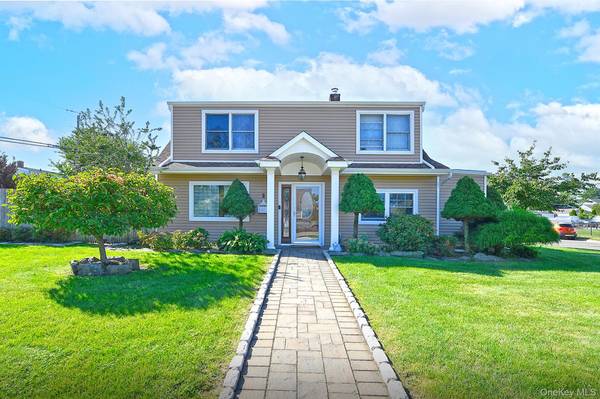

$344,900
530 Dubois AVE #2C, Valley Stream, NY 11581
Listed by Keller Williams Rty Gold Coast

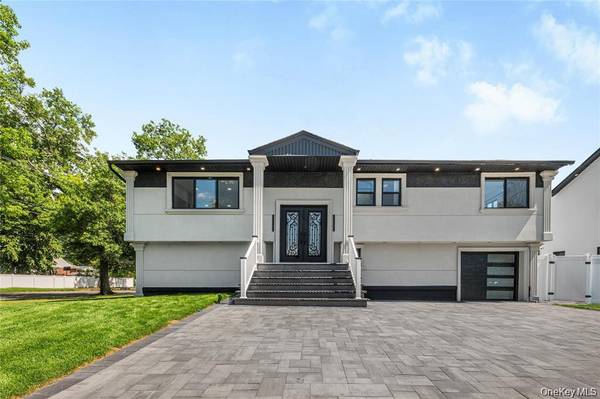
$1,339,999
274 Central Park RD, Plainview, NY 11803
Listed by Exit Realty Stars

$889,000
934 Hancock ST, Franklin Square, NY 11010
Listed by Coldwell Banker American Homes


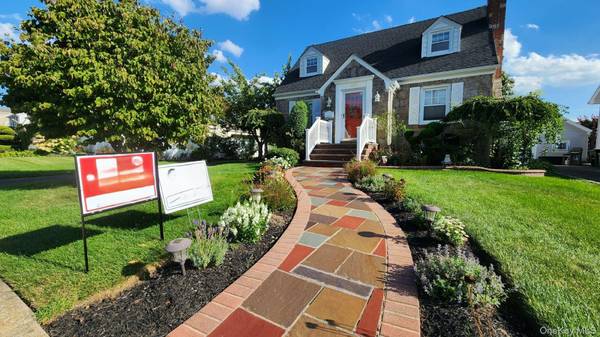
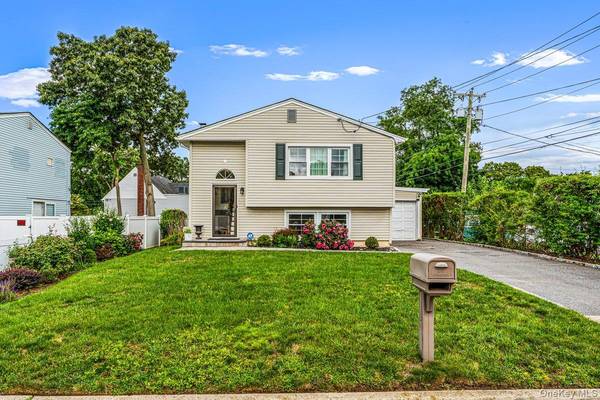
$738,000
115 Margaretta AVE, Massapequa, NY 11758
Listed by Malvec Acquisitions LLC

$829,000
48 W Windsor Pkwy, Oceanside, NY 11572
Listed by Coldwell Banker American Homes

$3,198,000
3 White Birch RD, Oyster Bay Cove, NY 11791
Listed by Daniel Gale Sothebys Intl Rlty

$729,999
1967 Oakland AVE, Wantagh, NY 11793
Listed by Eric G Ramsay Jr Assoc LLC
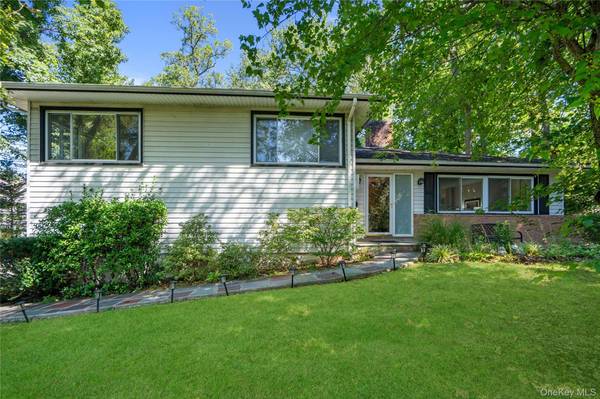
$1,399,000
58 Ridge DR, Roslyn, NY 11576
Listed by Douglas Elliman Real Estate
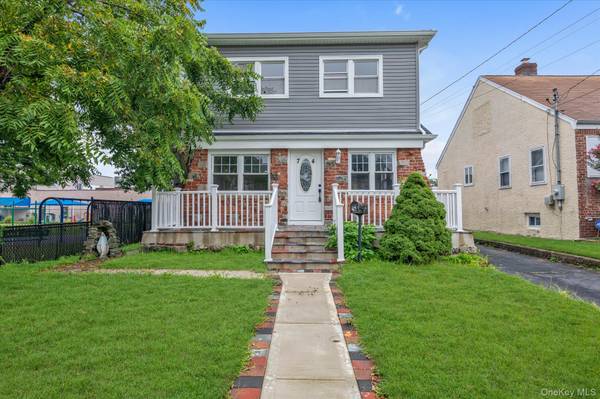

$815,000
4044 Meadow LN, Seaford, NY 11783
Listed by HomeSmart Premier Living Rlty
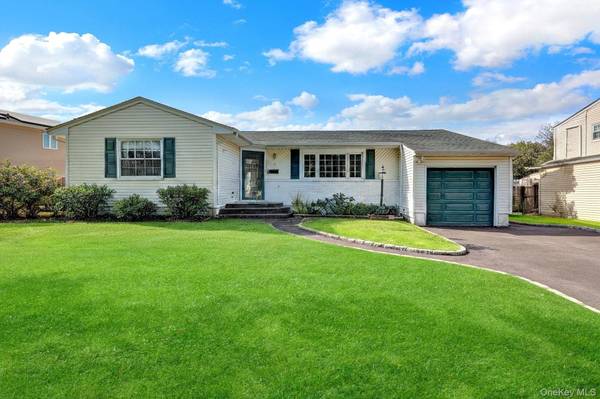
$799,999
3 Daniel DR, Farmingdale, NY 11735
Listed by Douglas Elliman Real Estate
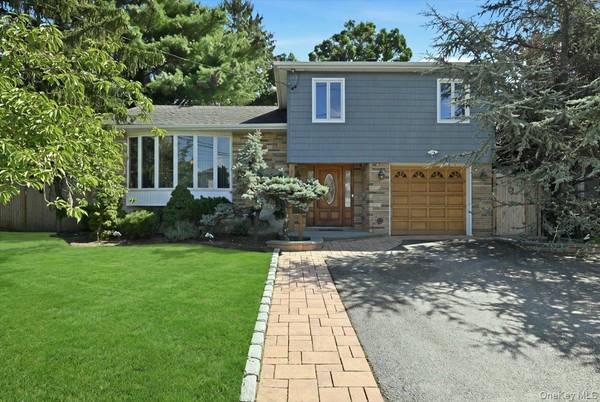
$899,000
2484 Kayron LN, North Bellmore, NY 11710
Listed by Coldwell Banker American Homes


$1,249,000
244 Halsey AVE, Jericho, NY 11753
Listed by Daniel Gale Sothebys Intl Rlty

$739,950
35 Eagle LN, Farmingdale, NY 11735
Listed by Island Advantage Realty LLC

$699,000
67 Holly AVE, Hempstead, NY 11550
Listed by Handsome Real Estate Inc

$1,988,000
29 Sycamore DR, Roslyn, NY 11576
Listed by Daniel Gale Sothebys Intl Rlty


$1,648,000
1222 Powell AVE, North Merrick, NY 11566
Listed by Douglas Elliman Real Estate
explore listings in Nassau County
Frequently asked questions
What is the main difference between a co-op and a condo?
In a co-op you buy shares in the corporation that owns the building plus a proprietary lease to your unit, so you are a shareholder rather than a deed-holder. In a condo you own the unit itself as real property. That difference drives how each one is approved, financed, and resold.
Is a co-op cheaper than a condo in Nassau County?
Co-ops often carry a lower purchase price than comparable condos and are frequently the strongest value on the South Shore, but the full cost picture includes the monthly maintenance and any board down-payment requirement. The right comparison is total monthly carrying cost, which we lay out for any building you are serious about.
Can I finance a co-op the same way as a condo?
Not always. A co-op board can set its own minimum down payment and limit how much of the price you finance, so a co-op may require more cash down than a condo. We confirm the building's financing rules early so your pre-approval matches what the board will accept.
Do both co-ops and condos have a board?
Both have a board, but a co-op board's approval process is more involved: it reviews your finances and usually interviews you before approving the purchase, and it sets rules on sublets, pets, and renovations. A condo board's review is generally lighter and faster.
Is it harder to sell a co-op than a condo?
Selling a co-op adds one step: your buyer must also be approved by the board, so qualifying buyers and managing the board package matters. It is very doable with the right preparation — we have sold co-ops across Nassau, including above asking — but it is a reason to work with an agent who knows the process.
How do property taxes work in a co-op versus a condo?
In many co-ops the building pays the property tax and folds it into your monthly maintenance, so you may never see a separate tax bill in your name. A condo is assessed and taxed as its own parcel, so you receive a bill directly. In both cases the tax is set from an assessed value rather than your purchase price, which you can verify through the Nassau County Department of Assessment.
Are co-ops common in Nassau County, or mostly a New York City thing?
Co-ops are common across Nassau County, especially in walkable South Shore villages like Rockville Centre and Long Beach where many of the attainable apartments are cooperatives rather than condominiums. Co-ops are common out here as well as in the city, so it's worth knowing the difference before you start touring on Long Island.
How long does co-op board approval take in Nassau County?
It varies by building, but a co-op board package and interview typically add several weeks to the timeline compared with a condo's lighter review, so it is worth planning for. The cleanest path is a complete board package and a realistic timeline up front, which is part of what we manage for clients buying into a co-op.
Keep going
Read the step-by-step buying and selling process for Nassau co-ops, or explore the communities where co-ops are common.
Sources and further reading
- New York State Homes and Community Renewal — state housing agency; cooperative and condominium housing guidance.
- NYS Attorney General — Real Estate Finance Bureau — reviews co-op and condo offering plans.
- New York Department of State — Division of Licensing Services — licenses and regulates the brokers and salespeople in either transaction.
- Nassau County Department of Assessment — how Nassau property is assessed and taxed.
- IRS Publication 530 — Tax Information for Homeowners — mortgage-interest and property-tax deductions for owners, including co-op shareholders.
- Consumer Financial Protection Bureau — Owning a Home — neutral guidance on mortgages and the buying process.
Data last verified June 2026. This guide is general information, not legal, tax, or financial advice; confirm specifics with Nassau County, your attorney, and your lender.
Co-op or condo — we will tell you straight
Bring us the building and your budget. A named member of the team walks you through the trade-offs, the board, and the numbers before you write the offer.
NASSAU COUNTY LIVING & LIFESTYLE


Sea Cliff vs. Long Beach: which is better for you?
Nassau County · community comparison Sea Cliff vs. Long Beach: which is better for you? Two Nassau County waterfront communities, two very different lives. Sea Cliff is a hilly North Shore harbor village; Long Beach is a flat South Shore beach city. This comparison walks the trade-offs (charac

Pros and Cons of Moving to Rockville Centre
Buying on the South Shore · Rockville Centre Pros and Cons of Moving to Rockville Centre An honest look at what you trade for and against when you buy in this Nassau County village: the walkable downtown and the rail commute on one side, the cost of living and the co-op learning curve on the o

Homes along the Port Washington branch: Great Neck, Manhasset, Plandome, and Port Washington
Port Washington, NY · Corridor guide Homes along the Port Washington branch: Great Neck, Manhasset, Plandome, and Port Washington Four stations, one branch, and a housing market that reads more like a corridor than four separate towns. What each name signals, and how to search them together in
MEET OUR AGENTS

Kevin Leatherman, REALTOR
Real Estate Broker
Brendan Shalloo
Marketing Assistant

Camille Giardina
Broker Associate

Jacqueline Furino
Real Estate Salesperson
REVIEWS
GET MORE INFORMATION

Real Estate Broker Kevin Leatherman 31LE1175078Leatherman Homes 109920961