Nassau County buyer guide
Nassau County property taxes: what every buyer should understand before they bid
On Long Island, the tax line on a home is not a footnote — it shapes what you can afford and how you should value a property. This guide explains how Nassau County assessment works, what the figures on a listing mean, and the questions worth asking before you commit.
Why the tax line deserves a second look
Two homes on the same Nassau block can carry very different annual tax bills. The number on a listing reflects the current owner's assessment, exemptions, and any active grievance — none of which automatically carry over to you. Reading that number correctly is part of valuing the home accurately, which is why it belongs in the analysis well before an offer is written.
Nassau County property taxes fund three broad buckets — the county, your town or city, and the local school district — and the school portion is usually the largest. Because the figure is built from an assessed value rather than the price you pay, a recent sale, a renovation, or a lapsed exemption can move the bill in ways the listing does not show. The goal of this guide is not to predict your exact tax — no one responsibly can before closing — but to give you the framework an experienced broker uses to read the number with you.
The short answer
If you only read one section, read this one.
Your Nassau County tax bill is built from the property's assessed value set by the county Department of Assessment, not the price you pay — so the figure on a listing reflects the seller's situation, not yours. Three buckets fund it: the county, your town or city, and the school district, with schools usually the largest share.
The two places a tax estimate quietly drifts are exemptions that may not transfer to you (STAR, senior, veteran) and an assessment that can be reviewed or grieved on its own cycle. For co-ops, the tax may be folded into your maintenance and never appear as a separate bill at all. The honest move is to read the assessment, the exemptions, and the escrow math on the specific home before you bid — not to trust the listing's tax line.
How a Nassau assessment becomes a tax bill
The mechanics in plain terms — the concepts, not the rates.
3 buckets
County, town or city, and school district — the school share is usually the largest
Assessed
The bill is built from a county assessed value, not the price you pay for the home
Exemptions
STAR, senior, and veteran benefits may be tied to the seller and not transfer
Grievance
Nassau runs a formal assessment-review window owners can use to challenge a value
Assessed value, not purchase price
Nassau County assigns each property an assessed value through the Department of Assessment. Your tax is calculated from that assessment and the tax rates set by each taxing jurisdiction — it is not simply a percentage of what you paid. A home can sell above or below its assessed value, and the assessment can be reviewed on its own cycle.
Exemptions can change with the owner
A current bill may reflect exemptions tied to the present owner — a STAR benefit, a senior or veteran exemption, or others. Some do not transfer to a new buyer. Confirming which exemptions apply to you, rather than to the seller, is one of the most common places a tax estimate quietly drifts.
The grievance process exists by design
Nassau County has a formal assessment-review (grievance) process and an annual window to file. Owners who believe their assessment is too high can challenge it. Understanding that this channel exists — and its timing — matters whether you are buying or planning to hold for years.
Escrow folds taxes into the monthly number
Most lenders collect property taxes through an escrow account, so the tax bill shows up inside your monthly payment rather than as one annual check. When a reassessment or exemption change moves the underlying bill, the escrow — and your monthly payment — can adjust later. It is worth modeling before you commit.
Quick facts
The reference points buyers ask about first, with the public sources to confirm them in the resources section below.
- County: Nassau County, New York
- Assessor: Nassau County Department of Assessment
- Tax basis: Assessed value × jurisdiction rates, not the sale price
- Three buckets: County, town or city, and school district
- Largest share: The local school district, in most areas
- Exemptions: STAR, senior, and veteran — some do not transfer
- Review channel: Nassau Assessment Review Commission grievance window
- Most bills paid via: A lender escrow account, inside the monthly payment
Data last verified June 2026 against the public sources linked in Sources & references below. We do not publish specific tax rates, assessment ratios, or dollar estimates here, because they change by year and jurisdiction and are best confirmed for the specific home you are considering — directly with Nassau County and your tax professional.
A note on co-ops and condos
Property taxes work differently depending on what you are buying — a distinction Nassau buyers routinely overlook.
In a single-family home, the tax bill is yours directly. In many co-ops, property taxes are folded into the monthly maintenance the building charges, so there may be no separate tax line for you to read at all — and the portion of maintenance that is tax-deductible can vary by building. Condominiums are assessed and taxed on their own footing again. Co-op and condo transactions are a core specialty at Leatherman Homes, and sorting out where the taxes live in the numbers is part of how we help buyers compare options that look similar on the surface but are not.
Broker Kevin Leatherman has worked the Nassau South Shore since 1996, with more than 1,100 closed transactions across single-family, co-op, condo, and complex deals — including coordinated moves where a family sells one home while buying another. Reading the tax math on each property type is part of the unglamorous work that protects a buyer before the emotion of a bidding decision narrows the view.
Kevin and his team helped us coordinate the sale of our co-op, and parents house, while buying our new home all at the same time. - ericface1 · Verified Zillow review
Questions worth asking before you offer
Bring these to the table. Good answers protect the largest purchase most people make.
- What is the property's current assessed value, and how does it relate to the asking price?
- Which exemptions are reflected in the current tax bill, and which of them transfer to me?
- Has the assessment been grieved recently, and is there a pending review?
- For a co-op or condo: how much of the monthly maintenance or common charge is property tax, and is any of it deductible?
- How will my lender's escrow estimate the taxes at closing, and what could cause it to adjust later?
These are the kinds of questions a broker with three decades on the South Shore works through with a client as a matter of course — before the emotion of a bidding decision narrows the view.
Where to confirm the numbers, on the map
The Nassau County offices and resources a buyer uses to verify an assessment, file a grievance, or check exemptions — open each in Google Maps to locate it.
Nassau County, NY market snapshot
A live read on the local sold market — recent sold listings, average sale price, and the 12-month price trend — pulled straight from the MLS. Use it as context for the tax math above before you bid.



$1,698,000
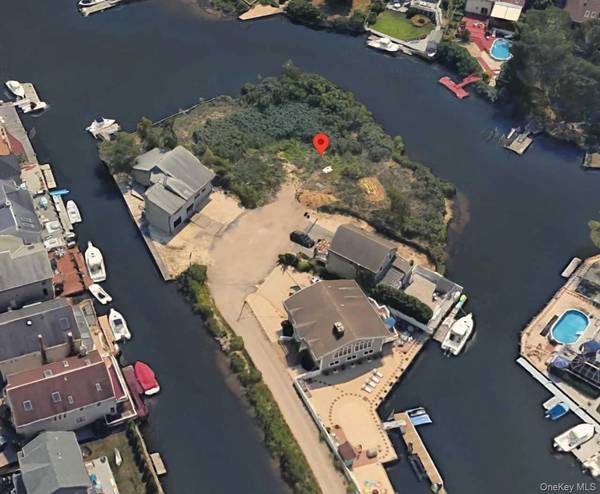
693 Peninsula BLVD, Hempstead, NY 11550
Listed by Douglas Elliman Comm of LI LLC

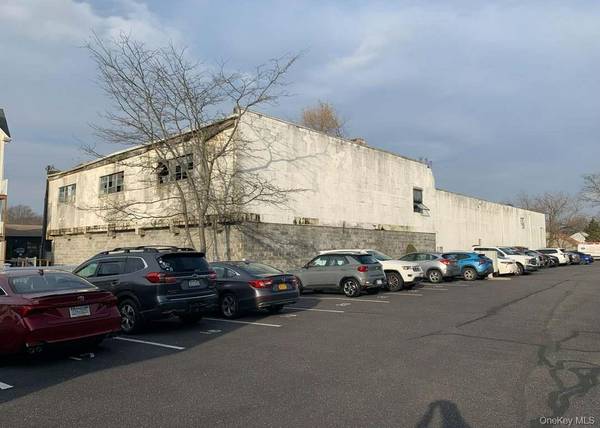

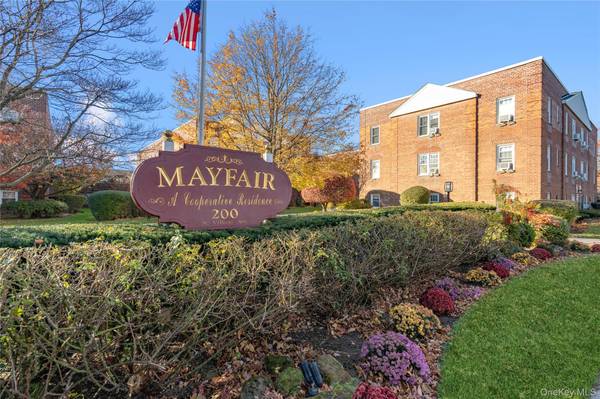

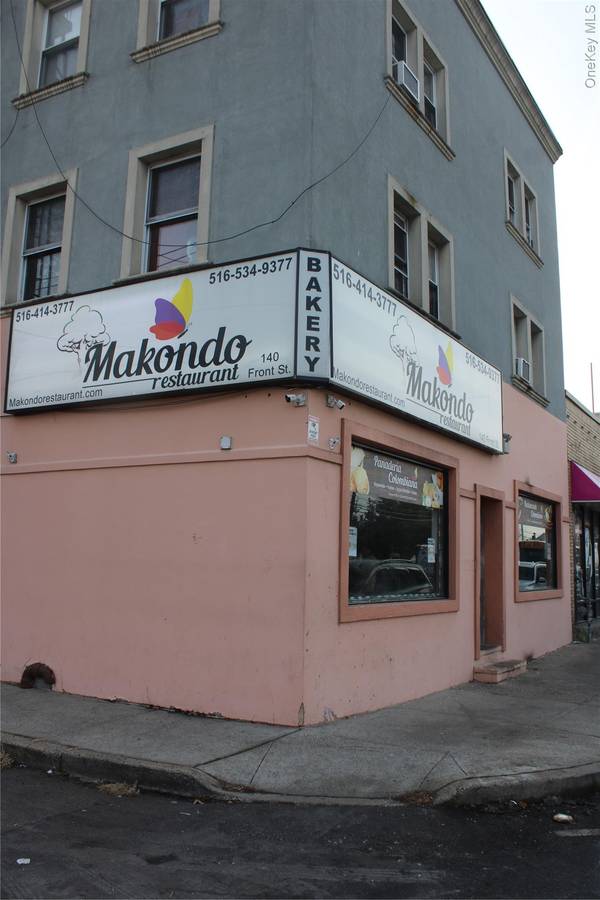

$5,495,000
31 Factory Pond RD, Locust Valley, NY 11560
Listed by Daniel Gale Sothebys Intl Rlty
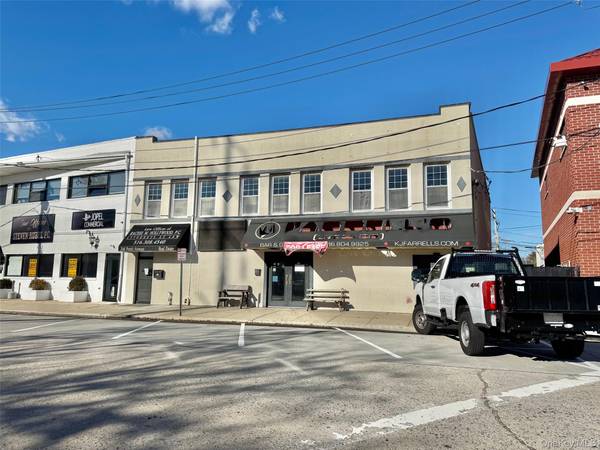
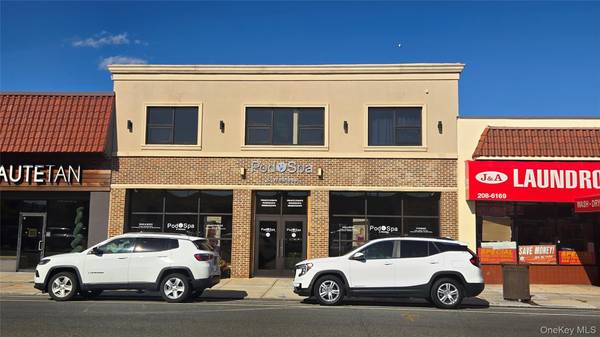
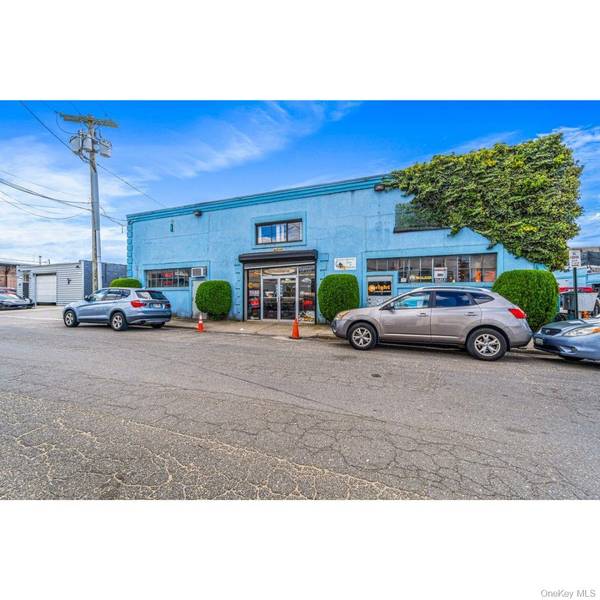
$2,350,000
2600-2610 Pettit AVE, Bellmore, NY 11710
Listed by All Island Estates Realty Corp
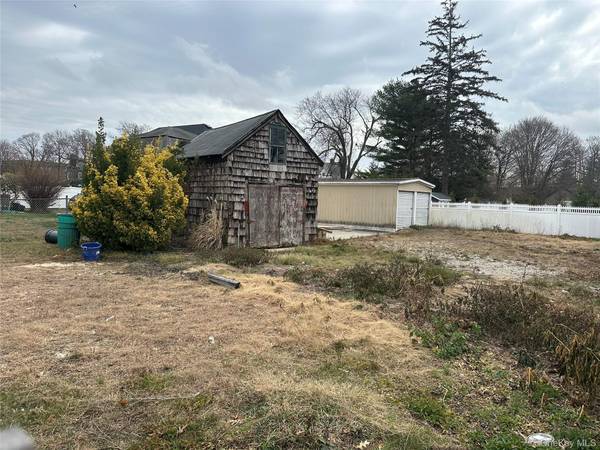
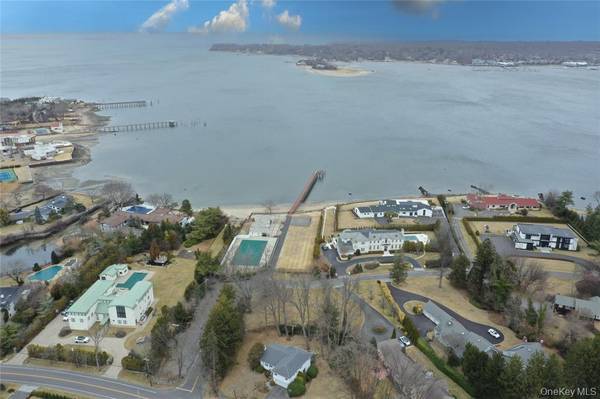
$625,000
No # Clarendon AVE, Bellmore, NY 11710
Listed by Signature Premier Properties

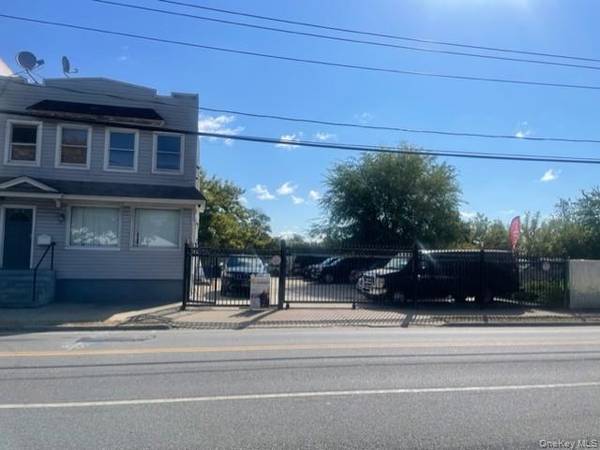




$1,700,000
12 Hickory DR, Old Brookville, NY 11545
Listed by Douglas Elliman Real Estate
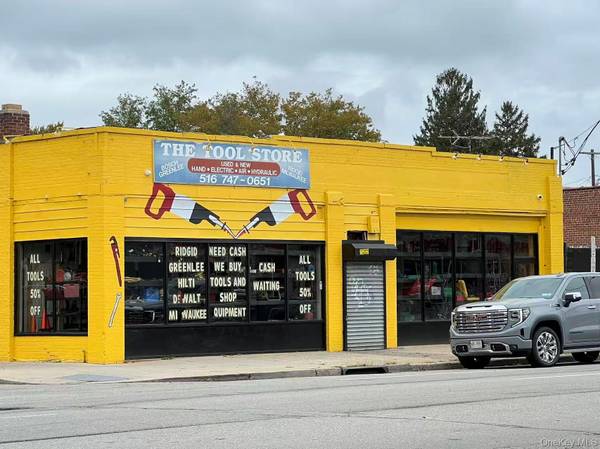

$7,350,000
12 Lido BLVD, Point Lookout, NY 11569
Listed by Signature Premier Properties
explore listings in Nassau County
Nassau County property taxes — common questions
Are Nassau County property taxes based on the price I pay for the home?
No. Nassau County calculates property tax from an assessed value set by the Department of Assessment, combined with the tax rates of each taxing jurisdiction — the county, your town or city, and the school district. The price you pay can be higher or lower than the assessed value, so the sale itself does not directly set your tax.
Will the tax amount shown on the listing be my tax bill?
Not necessarily. The figure on a listing reflects the current owner's assessment and exemptions, which may not carry over to you. Some exemptions are tied to the seller, and assessments can change on their own cycle, so the number is a starting point for analysis rather than a guarantee of what you will pay.
What is the Nassau County grievance process?
It is the county's formal assessment-review channel, run through the Assessment Review Commission. If an owner believes their property is over-assessed, they can file a challenge during the annual grievance window. Knowing that this process exists, and when it opens, is useful whether you are buying now or planning to hold the property for years.
How do property taxes work for a co-op in Nassau County?
In many co-ops, property taxes are paid by the building and folded into your monthly maintenance, so there may be no separate tax bill in your name. The share of maintenance attributable to taxes — and how much of it is deductible — can vary by building, which is why co-op buyers should ask the board or managing agent for the breakdown.
How does escrow affect what I pay each month?
Most lenders collect property taxes through an escrow account and include them in your monthly mortgage payment rather than as a separate annual bill. If a reassessment or an exemption change moves the underlying tax, the lender can adjust your escrow later, which changes your monthly payment. Modeling this before you commit helps avoid surprises.
What is the STAR exemption, and will I keep the seller's?
STAR is a New York State school-tax relief benefit, administered through the state and reflected on the property tax bill. It is tied to an owner and their primary residence, so a seller's STAR benefit does not automatically pass to you. New buyers generally register for STAR themselves through New York State, which is why a listing's tax figure can change once ownership does.
Why does Leatherman Homes not publish a tax rate or a dollar estimate for Nassau?
Because a single rate or estimate is misleading to buy against. The number depends on the specific property's assessment, its jurisdiction, the school district, and which exemptions apply to you rather than the seller. Rather than publish a figure that goes stale and ignores the address, we read the assessment and the exemptions for the specific home and point you to the county to confirm them.
Who should I confirm a property's actual tax situation with?
Confirm the assessed value, exemptions, and any pending grievance directly with the Nassau County Department of Assessment and the Assessment Review Commission, and confirm deductibility and your own tax position with a tax professional. This guide is general information, not tax or legal advice. Leatherman Homes can walk the numbers through with you and flag what to verify before you bid.
Sources & references
The public records and agencies we use to confirm the facts on this page — and that you can check yourself before you buy.
- Nassau County, NY — official county government site (departments, records)
- Nassau County Department of Assessment (assessed value and property records)
- Nassau County Assessment Review Commission (the grievance process and window)
- New York State STAR program (school-tax relief exemption)
- NYS Dept. of Taxation & Finance — Property (exemptions and assessment basics)
- NYS Real Property Tax Law (the statutory framework)
- Nassau County Treasurer (tax billing and payment)
Keep exploring Nassau County
Where this guide connects in the Leatherman Homes resource set.
Read the numbers before you bid
Property taxes are part of valuing a Nassau County home accurately. Leatherman Homes works the assessment, the exemptions, and the escrow math through with you before an offer goes in — no fine print, no surprises.
NASSAU COUNTY LIVING & LIFESTYLE

Sea Cliff vs. Long Beach: which is better for you?
Nassau County · community comparison Sea Cliff vs. Long Beach: which is better for you? Two Nassau County waterfront communities, two very different lives. Sea Cliff is a hilly North Shore harbor village; Long Beach is a flat South Shore beach city. This comparison walks the trade-offs (charac

Pros and Cons of Moving to Rockville Centre
Buying on the South Shore · Rockville Centre Pros and Cons of Moving to Rockville Centre An honest look at what you trade for and against when you buy in this Nassau County village: the walkable downtown and the rail commute on one side, the cost of living and the co-op learning curve on the o

Homes along the Port Washington branch: Great Neck, Manhasset, Plandome, and Port Washington
Port Washington, NY · Corridor guide Homes along the Port Washington branch: Great Neck, Manhasset, Plandome, and Port Washington Four stations, one branch, and a housing market that reads more like a corridor than four separate towns. What each name signals, and how to search them together in
MEET OUR AGENTS

Kevin Leatherman, REALTOR
Real Estate Broker
Brendan Shalloo
Marketing Assistant

Camille Giardina
Broker Associate

Jacqueline Furino
Real Estate Salesperson
REVIEWS
GET MORE INFORMATION

Real Estate Broker Kevin Leatherman 31LE1175078Leatherman Homes 109920961