
Nassau County · community comparison
Long Beach vs. Oceanside: two ways to live near the water
Both sit on the South Shore of Nassau County, and both put you close to the water — but they offer very different lives. Long Beach is a barrier-island beach city; Oceanside is a mainland family town of detached houses. This comparison walks the trade-offs in housing, waterfront, commute, and daily rhythm so you can see which one fits how you want to live.
At a glance: how the two communities compare
A side-by-side read of the structural differences — the things that hold true regardless of where the market sits on any given week. Use it to narrow the question before you weigh individual homes.
| Factor | Long Beach | Oceanside |
|---|---|---|
| Type of place | Incorporated barrier-island beach city | Mainland hamlet in the Town of Hempstead |
| Dominant housing | Broad mix; substantial condo and co-op pool plus single-family and waterfront homes | Single-family-led; detached houses on their own lots |
| Street feel | Compact, dense, walkable | Conventional low-rise suburb |
| Water relationship | Ocean and bay on a barrier island; flood context touches the market broadly | Mainland laced with bays and canals; flood context concentrates near the water |
| Commute | LIRR Long Beach Branch — end of the line; many walk to the train | LIRR Long Beach Branch — a stop along it; drive-or-walk to the station |
| Who it tends to fit | Beach-lifestyle, walk-everywhere buyers and right-sizers | Families wanting a yard, a house, and a school district |
The short version: beach city vs. mainland family town
These two communities are barely two miles apart across the bay, yet they answer different questions. The decision between them is less about price and more about whether you want to live on the beach or in a settled suburban neighborhood that happens to sit near the water.
Long Beach is a small incorporated city on a barrier island off the South Shore — the ocean on one side, the bay on the other, and a boardwalk running the length of the beachfront. It is compact, walkable, more densely built than the towns inland, and carries a substantial pool of condominiums and cooperative apartments alongside its single-family and waterfront homes. Oceanside is a mainland hamlet in the Town of Hempstead, just to the north across the bay: residential, low-rise, and dominated by detached single-family houses on their own lots, with a layer of canal- and bayfront homes along its southern edge. One is a beach city you live on; the other is a family suburb you settle into. Knowing which appeals to you resolves most of the question before you tour a single home.
~2 miles
apart across Reynolds Channel, South Shore Nassau County
Barrier island
defines Long Beach; mainland hamlet defines Oceanside
One LIRR branch
the Long Beach Branch serves both communities
30+ years
Leatherman Homes works both markets day to day
Housing stock: what you are buying
This is where the two markets diverge most, and where the right answer depends on your finances, your timeline, and how you intend to use the home.
Long Beach — a broad, attached-heavy mix
A meaningful share of the Long Beach inventory is attached: condominiums and cooperative apartments, many close to the boardwalk and beach, alongside single-family homes and waterfront properties on the bay and canal sides. A condo is real property you own outright; a co-op is shares in a corporation with a board approval process and its own financing and subletting rules. That attached pool can offer a lower entry point than a detached house, which is part of why first-time and right-sizing buyers look here. Co-op and condo work is a stated specialty at Leatherman Homes.
Oceanside — single-family-led, on its own lots
Oceanside is a single-family market. The defining listing is a detached house — Capes, ranches, splits, expanded colonials, and renovated newer builds — which is what gives the town its family appeal and its owner-occupied character. Because the property type is fairly consistent, lot, condition, and distance from the water do more to set value than the question of co-op versus condo. If you want land and a house of your own rather than attached living, Oceanside is the stronger match.
Waterfront, flood zones, and barrier-island context
Both communities are near the water, but the relationship to it differs in a way that matters at the diligence stage.
Long Beach is a barrier island, so the whole city's position relative to the ocean and bay shapes flood zone, elevation, and insurance on near-water property — these belong in the diligence on essentially any home you consider. Oceanside is mainland, but it is laced with bays, canals, and inlets feeding toward the Atlantic, so its waterfront slice carries its own considerations: bulkheads, dock rights, flood-zone designation, and insurance. In both places these are real line items in the budget rather than footnotes, and in both places they are reasons to evaluate a specific home on its own facts — not reasons to rule out the community. The difference is one of degree and exposure: in Long Beach the barrier-island context touches the market broadly, while in Oceanside it concentrates in the homes closest to the canals and the bay. Flood-zone designations are published by the FEMA Flood Map Service Center, and worth pulling on any specific address before you commit.
Commute and daily rhythm
Here the two communities have more in common than first appears, with one notable difference in pace.
Both sit on the Long Island Rail Road's Long Beach Branch into Penn Station and Grand Central, so each is a genuine commuter community — Long Beach is the end of the line, and Oceanside is a stop along it. The difference is the texture of the day around the station. Long Beach is built for a walk-everywhere routine: many residents reach the beach, the boardwalk, restaurants, and the train on foot, and that compactness is a large part of the appeal. Oceanside is a more conventional suburb, where position relative to the Oceanside station and the major roads matters and tends to be reflected in what a street commands, and where the school district — the Oceanside Union Free School District — is a central reason families choose the town. Long Beach has its own city school district, Long Beach Public Schools. If your ideal week is a morning on the boardwalk and an ocean two blocks away, Long Beach answers that; if it is a detached house, a yard, and a settled family neighborhood with a train to the city, Oceanside answers that. Neither is objectively better — they reward different priorities.
Long Beach market snapshot
Live sold-market stats and the 12-month price trend for Long Beach, pulled from the MLS. Below it, jump into what is for sale in each community today.
The two markets right now
Conditions move week to week. Rather than quote a number that will be stale by the time you read it, here is how to read each market live — and the place to see what is for sale today.
Because Long Beach carries condos, co-ops, and houses while Oceanside is overwhelmingly single-family, the two markets respond to rate and inventory shifts at different speeds and rarely move in lockstep. The honest way to compare them is to look at live listings in each, side by side, and let a named agent translate what the active and recently-sold homes are telling you. Rather than quote a median that goes stale, the community listings pages carry you straight into what is for sale in each today.
See current homes for sale, side by side
Each community's live Lofty IDX feed updates as homes come on and off the market: Long Beach listings · Oceanside listings. Want them weighed against your budget and timeline? Ask the team.
My take: who I'd steer where
A candid read from someone who has closed in both communities for 30+ years — not a chart, a recommendation. Neither place is objectively better; they reward different priorities, and the honest downsides are worth saying out loud.
I'd point you to Long Beach if
You want the ocean two blocks away and a walk-everywhere week — train, boardwalk, dinner, and the beach all on foot — or you want a co-op or condo as a lower-cost or lock-and-leave way in. That attached pool is the widest entry point on this stretch of the South Shore, and co-op and condo work is a stated specialty of ours. The honest downsides: the barrier-island setting means flood zone, elevation, and insurance belong in the diligence on almost any home, a co-op brings a board and financing rules to underwrite, and density is a feature for some buyers and noise for others.
I'd point you to Oceanside if
Your priority is a detached house with a yard on a settled street, a single school district as the anchor of the decision, and a train to the city without living on top of a downtown. The property type is consistent, which makes value easier to read and tends to hold up at resale. The honest downsides: far less attached inventory if your budget points toward a condo, and on the canal- and bayfront homes you still inherit bulkheads, dock rights, flood-zone designation, and insurance to confirm — just concentrated near the water rather than city-wide.
My one-line steer
Settle the beach-city-versus-family-suburb question first; it resolves the community faster than any price comparison. Then let the live listings in each — not a median — show you what your budget gets you right now, and have one realtor who works both translate the trade-offs against your timeline.
Working with Leatherman Homes

Leatherman Homes is a boutique Nassau County team led by broker Kevin Leatherman, with 30+ years on Long Island and 1,100+ career transactions across the South Shore — single-family, co-op, condo, and complex sales. The team prices, negotiates, and protects a client's largest investment with a transparent, data-led approach — no fine print, no surprises — and works both of these markets day to day.
"Kevin and his team helped us coordinate the sale of our co-op, and parents house, while buying our new home all at the same time."
— ericface1 · Verified Zillow review
"My wife and I had a great experience working with Kevin... Kevin has a great understanding of the markets he supports."
— user271532 · Verified Zillow review
Reviews are real client testimonials, attributed by transaction type and market rather than full name to protect client privacy; reviewer identities are on file with the brokerage. See the full set on the reviews page.
Long Beach vs. Oceanside: common questions
High-level answers to the questions buyers ask when they are weighing these two South Shore communities. For guidance on a specific home or building, contact the team.
What is the main difference between Long Beach and Oceanside?
Which has more condos and co-ops, Long Beach or Oceanside?
Is Oceanside or Long Beach better for families with kids?
How do the commutes compare from Long Beach and Oceanside?
What should I know about waterfront and flood zones in each?
Which is more affordable to get into, Long Beach or Oceanside?
Are Long Beach and Oceanside in the same school district?
How do I decide between Long Beach and Oceanside?
Can one agent help me weigh both communities at once?


$430,000
2 N Lewis PL #1.4B, Rockville Centre, NY 11570
Listed by Leatherman Homes

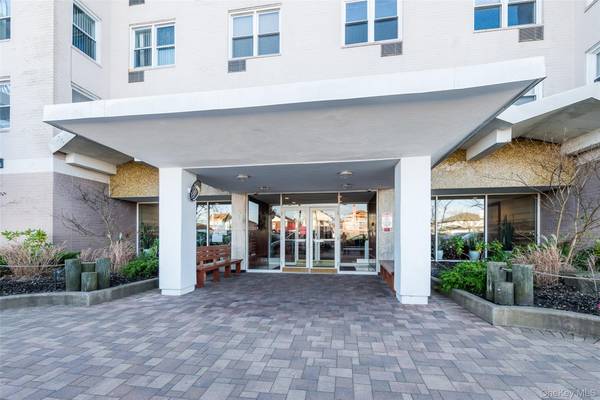
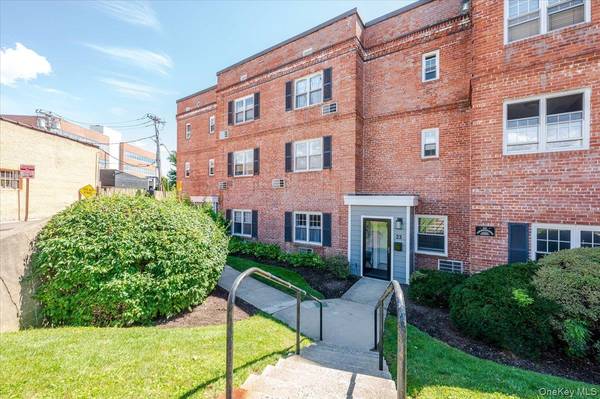
$780,000
522 Shore Road #2AA, Long Beach, NY 11561
Listed by Leatherman Homes
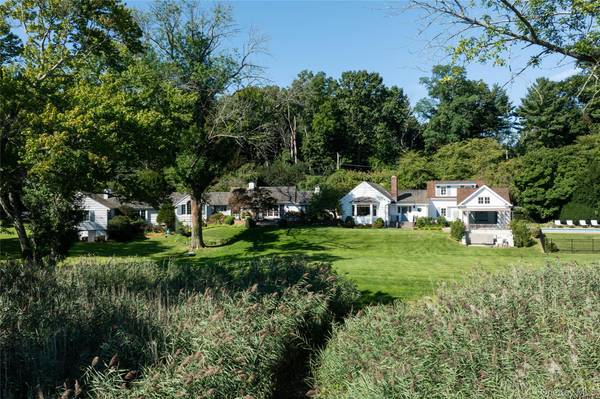
$4,895,000
99 Factory Pond RD, Locust Valley, NY 11560
Listed by Daniel Gale Sothebys Intl Rlty

$795,000
134 Baltimore AVE, Massapequa, NY 11758
Listed by Howard Hanna Coach

$899,000
118 Chester AVE, Massapequa Park, NY 11762
Listed by Douglas Elliman Real Estate
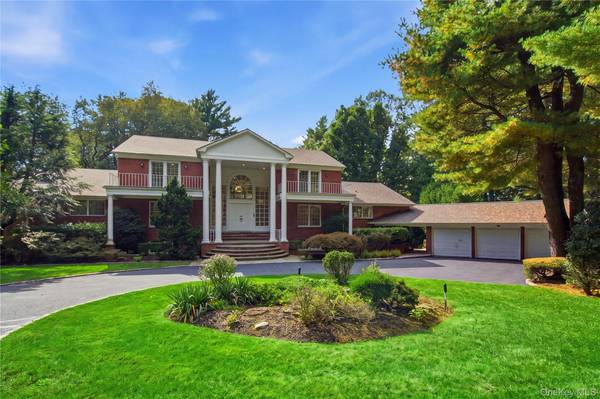
$2,742,000
14 Pheasant Hill LN, Old Brookville, NY 11545
Listed by Daniel Gale Sothebys Intl Rlty
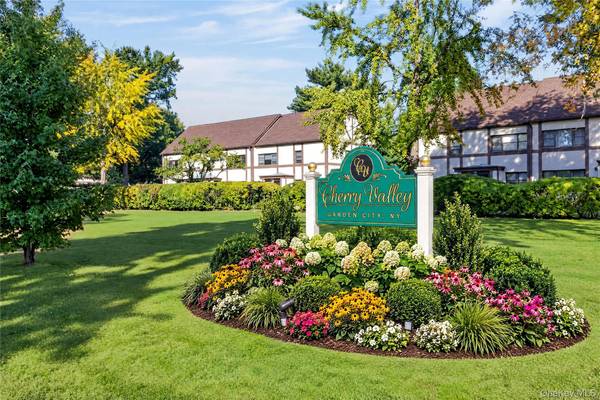
$350,000
115 15th ST #C1, Garden City, NY 11530
Listed by Compass Greater NY LLC
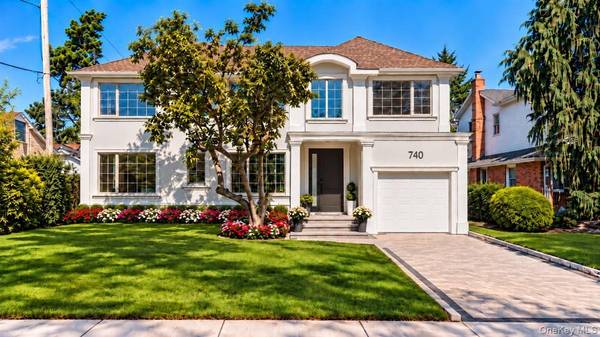
$1,649,000
740 Willow RD, Franklin Square, NY 11010
Listed by Keller Williams Rlty Landmark
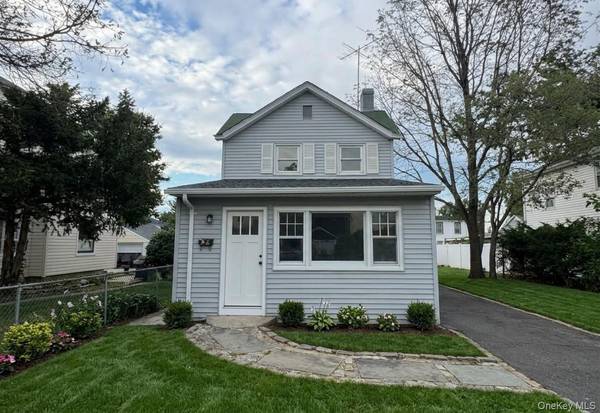
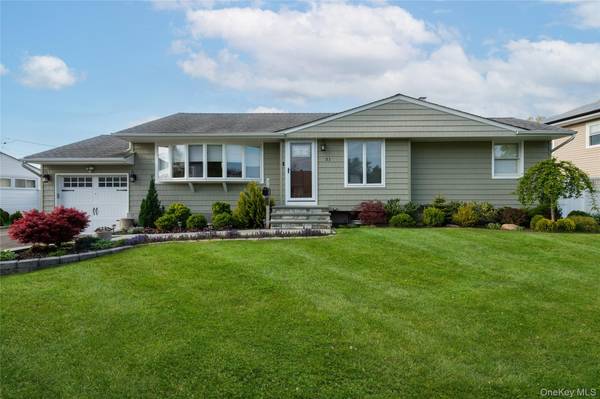
$899,000
31 Garden CIR, Syosset, NY 11791
Listed by Daniel Gale Sothebys Intl Rlty
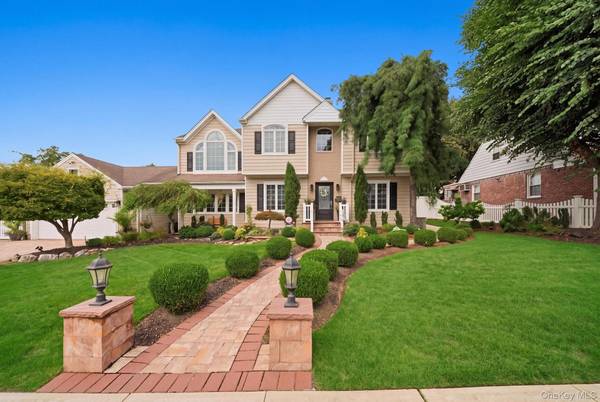
$1,450,000
458 Wilson ST, West Hempstead, NY 11552
Listed by Coldwell Banker American Homes


$999,888
110 Bayberry LN, Levittown, NY 11756
Listed by Realty Maintained LLC

$1,410,000
Port Washington, NY 11050
Listed by Daniel Gale Sothebys Intl Rlty

$1,049,999
1986 Oakwood AVE, Merrick, NY 11566
Listed by Keller Williams Realty Elite
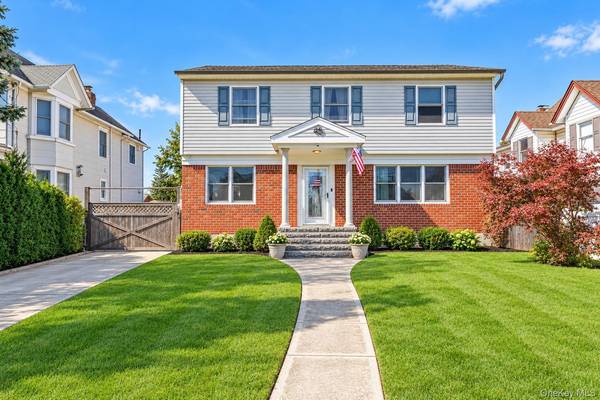
$849,000
45 Carman AVE, East Rockaway, NY 11518
Listed by Signature Premier Properties

$1,199,000
1402 Merrick AVE, Merrick, NY 11566
Listed by BH&G R E Realty Connect

$999,000
1675 Cornelius AVE, Wantagh, NY 11793
Listed by Century 21 AA Realty
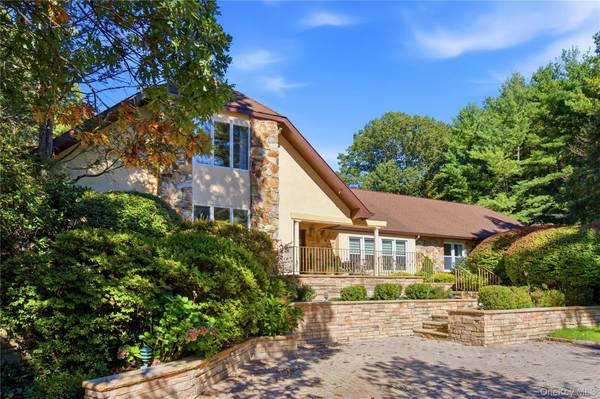
$2,395,000
14 Sherwood Gate, Oyster Bay, NY 11771
Listed by Daniel Gale Sothebys Intl Rlty
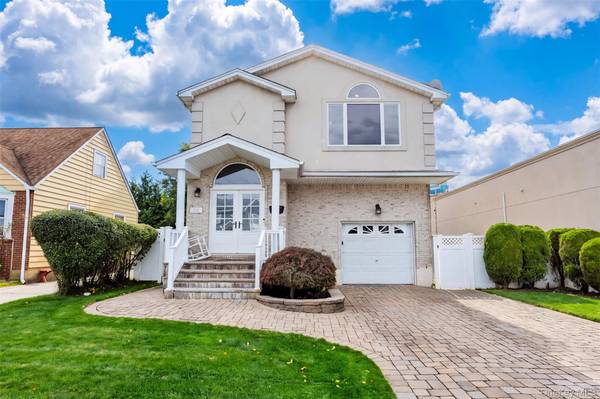
$999,999
1079 Van Buren AVE, Franklin Square, NY 11010
Listed by Progressive Realty Grp USA Inc
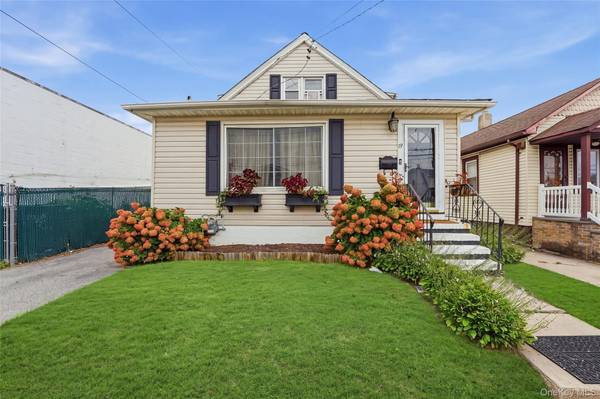
$648,019
19 Catherine AVE, Franklin Square, NY 11010
Listed by Frontline Realty Group LLC
explore listings in Nassau County
Maps and official resources
Independent civic and mapping sources for both communities — useful when you are checking boundaries, schools, transit, and flood designation on a specific address.
- Long Beach, NY on Google Maps
- Oceanside, NY on Google Maps
- Long Beach boardwalk on Google Maps
- Long Beach LIRR station on Google Maps
- Oceanside LIRR station on Google Maps
- Reynolds Channel on Google Maps
- Oceanside Marine Nature Study Area on Google Maps
- Long Beach City Hall on Google Maps
- Park Ave, Long Beach on Google Maps
- Long Beach Rd, Oceanside on Google Maps
- Long Beach oceanfront on Google Maps
- Nassau County, NY on Google Maps
- City of Long Beach (longbeachny.gov)
- Town of Hempstead (Oceanside's town)
- Nassau County government
- Long Beach Public Schools
- Oceanside Union Free School District
- U.S. Census QuickFacts — Long Beach
Data last verified June 2026. Community structure, transit, and school-district facts are stable; market conditions and individual-home details change — confirm specifics on any address with the team.
Explore both communities
Guides and current listings for Long Beach and Oceanside, plus the wider Nassau County market.
Still deciding between Long Beach and Oceanside?
See what is on the market in each, or reach the team to talk through which community fits your search.
NASSAU COUNTY LIVING & LIFESTYLE


Sea Cliff vs. Long Beach: which is better for you?
Nassau County · community comparison Sea Cliff vs. Long Beach: which is better for you? Two Nassau County waterfront communities, two very different lives. Sea Cliff is a hilly North Shore harbor village; Long Beach is a flat South Shore beach city. This comparison walks the trade-offs (charac

Pros and Cons of Moving to Rockville Centre
Buying on the South Shore · Rockville Centre Pros and Cons of Moving to Rockville Centre An honest look at what you trade for and against when you buy in this Nassau County village: the walkable downtown and the rail commute on one side, the cost of living and the co-op learning curve on the o

Homes along the Port Washington branch: Great Neck, Manhasset, Plandome, and Port Washington
Port Washington, NY · Corridor guide Homes along the Port Washington branch: Great Neck, Manhasset, Plandome, and Port Washington Four stations, one branch, and a housing market that reads more like a corridor than four separate towns. What each name signals, and how to search them together in
MEET OUR AGENTS

Kevin Leatherman, REALTOR
Real Estate Broker

Brendan Shalloo
Marketing Assistant

Camille Giardina
Broker Associate

Jacqueline Furino
Real Estate Salesperson
REVIEWS
GET MORE INFORMATION
Real Estate Broker Kevin Leatherman 31LE1175078Leatherman Homes 109920961